2026 Best Electronics PCB Manufacturing Trends and Innovations?
In the rapidly evolving landscape of electronics PCB manufacturing, staying ahead of the curve is essential. Expert Dr. Emily Chen emphasizes, "Innovation is not just an option; it is a necessity." This statement resonates deeply as we prepare to explore the key trends shaping the industry in 2026.
The drive toward miniaturization is becoming more apparent. Companies are pushing boundaries to create smaller, yet more efficient circuits. New materials are being tested, and these innovations offer exciting possibilities. However, challenges persist. The integration of green technologies remains uneven across the industry, urging a collective effort in sustainable practices.
Moreover, the adoption of automation and AI is transforming production lines. While these technologies promise efficiency, they come with a learning curve for many manufacturers. Balancing innovation with quality control is a task that demands ongoing attention. As we delve into the current trends, it is crucial to remember that progress in electronics PCB manufacturing is a journey, not a destination.
Emerging Technologies in PCB Manufacturing for 2026
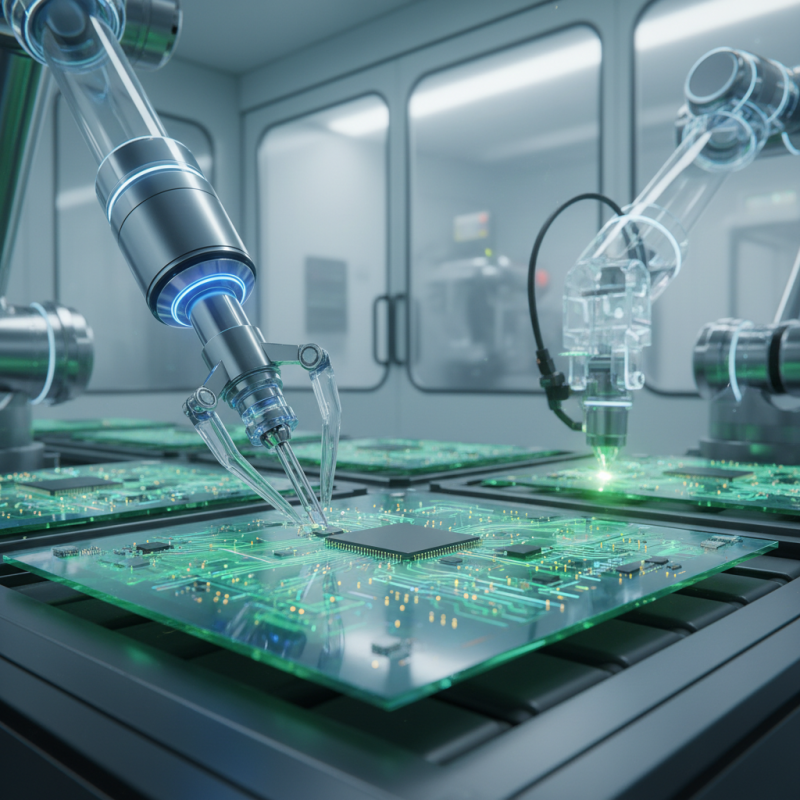
The PCB manufacturing landscape is evolving rapidly. By 2026, emerging technologies will redefine production processes. For instance, the adoption of additive manufacturing is growing significantly. According to a 2023 market study, nearly 25% of PCB manufacturers are integrating 3D printing into their operations. This shift allows for more complex geometries, reducing material waste.
Moreover, advancements in materials science are paving the way for flexible and printed electronics. Reports indicate that the flexible PCB market is projected to see a compound annual growth rate (CAGR) of over 10% by 2025. However, these innovations come with challenges. Companies may struggle with supply chain adaptability and ensuring quality consistency.
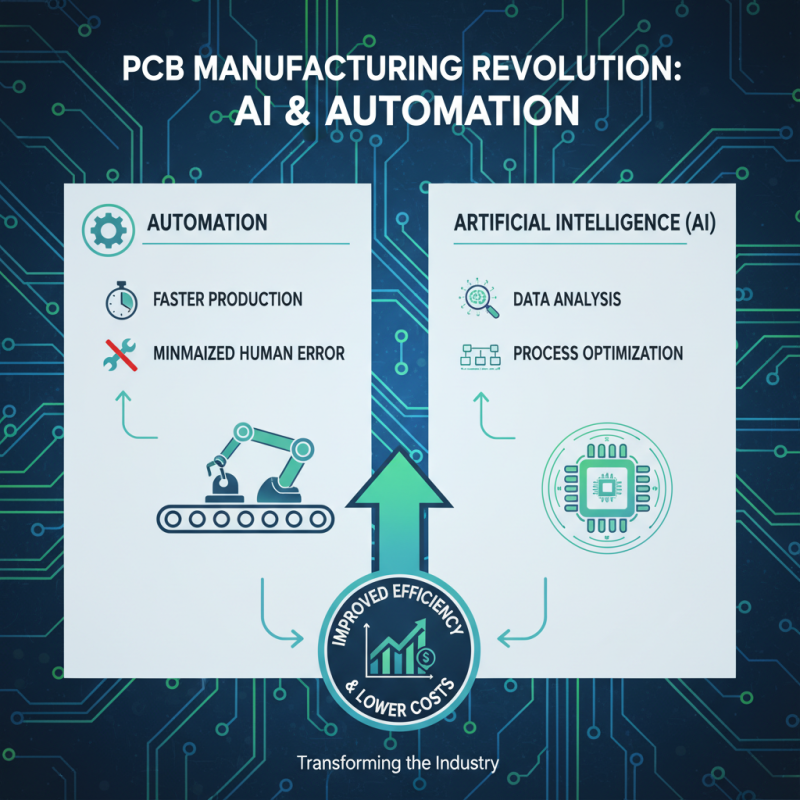
Automation and AI are also making waves in PCB production. A survey revealed that over 65% of manufacturers plan to invest in automated inspection processes by 2026. While these technologies promise efficiency, they require ongoing adjustments and skilled personnel. Balancing innovation with operational capacity becomes crucial. Without careful management, the potential benefits could be lost in production errors.
Sustainability Practices in Electronics PCB Production
Sustainability is becoming crucial in PCB production. In 2022, nearly 68% of electronics manufacturers reported focusing on environmentally friendly practices. This includes using renewable materials and reducing waste. A significant trend is adopting lead-free soldering, which reduces toxic waste. Many companies are transitioning to eco-friendly procurement strategies. These methods help minimize their carbon footprints.
Tips: Always assess your suppliers for sustainability practices. This can enhance your own green reputation.
Moreover, innovative recycling methods are emerging. Some firms recover materials from old PCBs. This not only conserves resources but also lowers production costs. However, challenges persist in establishing efficient recycling techniques. Despite the good intentions, many companies struggle to implement robust systems.
Tips: Encourage employees to participate in recycling training. Awareness can drive better practices.
While advancements in sustainable practices are evident, reflection is necessary. Not every company can easily switch to sustainable methods. Investment costs and limited supplier options can hinder progress. The journey to sustainability is ongoing, and there’s much work to be done.
2026 Best Electronics PCB Manufacturing Trends and Innovations
Innovations in PCB Design for Enhanced Functionality
The landscape of PCB design is evolving rapidly. Innovations now focus on enhanced functionality. Designers are integrating complex features into smaller form factors. This allows for higher performance in compact devices. Advanced materials help to achieve better thermal management. These materials enable circuits to operate efficiently under various conditions.
Another significant trend is the rise of flexible PCBs. They can conform to unique shapes, allowing new design possibilities. Such flexibility is essential in wearable technology. However, the manufacturing process can be challenging. Maintaining quality while pushing boundaries is an ongoing struggle.
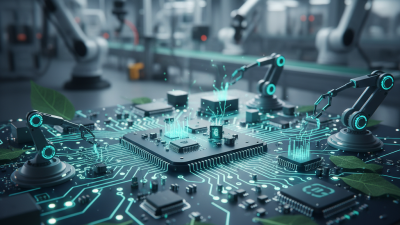
Moreover, increased automation in PCB production enhances precision. Automated systems reduce human error. Yet, reliance on technology raises questions. What happens if these systems fail? Balancing automation with skilled craftsmanship is crucial in the evolving industry.
2026 Best Electronics PCB Manufacturing Trends and Innovations
| Trend/Innovation |
Description |
Expected Impact |
Adoption Rate (%) |
| Flexible PCBs |
Incorporating flexible materials for diverse applications. |
Increased usage in wearables and compact devices. |
70% |
| High-Frequency PCBs |
Designed for RF applications with improved dielectric properties. |
Enhanced performance in telecommunications and wireless technology. |
65% |
| Automated PCB Assembly |
Use of robotics to streamline assembly processes. |
Increased efficiency and reduced production costs. |
80% |
| 3D Printing of PCBs |
Additive manufacturing techniques for PCB production. |
Rapid prototyping and customization capabilities. |
50% |
| IoT-Enabled PCBs |
Smart PCBs with integrated connectivity features. |
Facilitates smarter devices and real-time data tracking. |
75% |
Trends in Materials Used for PCB Production in 2026
In 2026, the landscape of PCB manufacturing will be significantly shaped by new materials. As electronics become more complex, the demand for advanced materials is rising. Reports indicate that flexible PCBs are projected to grow by over 30% annually. This shift suggests that manufacturers will prioritize materials that enhance flexibility without compromising durability.
Another key trend is the adoption of environmentally friendly materials. Research estimates that the green PCB market will reach $10 billion by 2027. Innovations in biodegradable substrates are gaining traction. These materials not only reduce environmental impact but also align with regulatory pressures. Manufacturers should assess their supply chains and consider greener options.
**Tip:** Engage with suppliers who prioritize sustainable practices. This can improve your production efficiency and brand image.
At the same time, the industry faces challenges. Transitioning to new materials often requires re-evaluating existing processes. Some manufacturers report difficulties in compatibility and performance. Testing and validation phases are essential but can be time-consuming.
**Tip:** Invest in R&D collaborations. These partnerships can provide insights into optimizing new materials for your specific needs. Keep an eye on emerging trends to avoid stagnation.