What are the Best PCB Circuit Types for 2026?
In the rapidly evolving world of electronics, the demand for advanced PCB circuits is surging. According to a recent industry report by IPC, the global PCB market is projected to reach $100 billion by 2026. This growth is driven by the increasing proliferation of IoT devices and electric vehicles. As manufacturers strive for innovation, the type of PCB circuit used can significantly impact overall performance and reliability.
Industry expert Dr. Emily Chen stated, "The selection of PCB circuit types is crucial for achieving optimal functionality in modern applications." Her insights highlight the importance of aligning circuit type with specific project needs. Various designs, such as rigid-flex and high-frequency PCBs, are gaining traction. Yet, there's a realization that not every design fits every application perfectly.
The challenge lies in balancing cost with performance. Companies must evaluate their design choices carefully. In some cases, the latest technology may not yield the expected returns. As we look towards 2026, it’s essential to navigate this landscape thoughtfully. Understanding the intricacies of PCB circuits will be vital in meeting future demands while avoiding errors that can arise from hasty decisions.
Overview of PCB Circuit Types Expected to Dominate in 2026
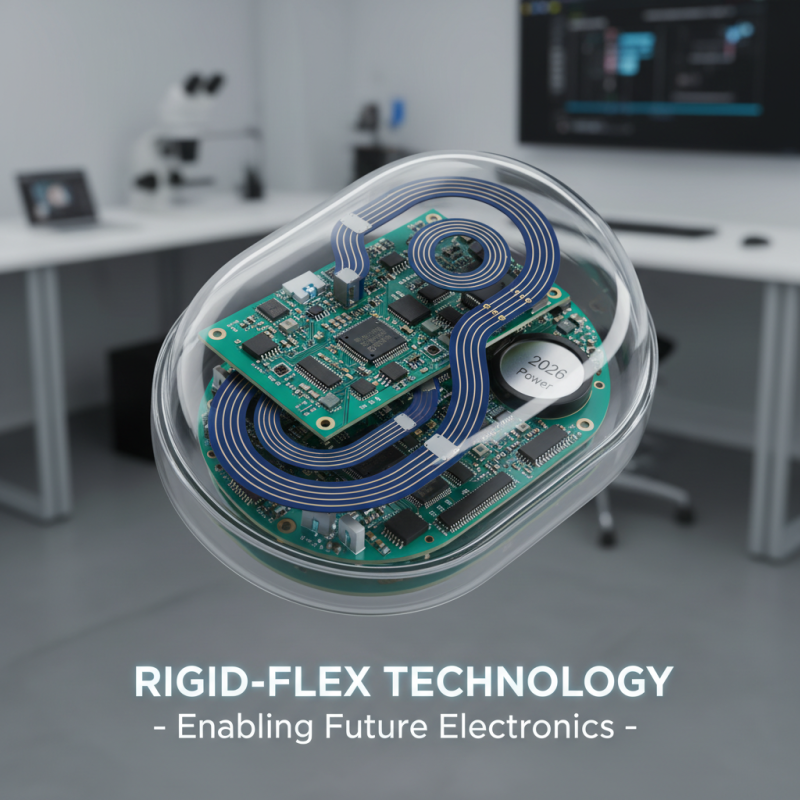
As we look toward 2026, several PCB circuit types are set to take precedence. Rigid-flex circuits are gaining traction. This type combines the benefits of rigid and flexible PCBs. They enable complex designs and save space, which is vital in modern electronics. Imagine a compact device that still functions efficiently. That's the promise of rigid-flex technology.
Another type expected to make waves is high-frequency PCBs. These circuits are crucial for wireless applications. They enhance signal integrity and reduce losses. With the rise of 5G, the demand for high-frequency PCBs will soar. However, they also come with challenges. Designing for such high speeds requires precision. Any mistake can hinder performance.
Lastly, biodegradable PCBs are a growing trend. As sustainability becomes a priority, eco-friendly materials are essential. These circuits can reduce electronic waste. However, the performance still needs refinement. Balancing eco-friendliness with functionality is complex. It will require innovation and collaboration. The road ahead may not be perfect, but it is promising.
Advancements in PCB Materials and Their Impact on Circuit Design
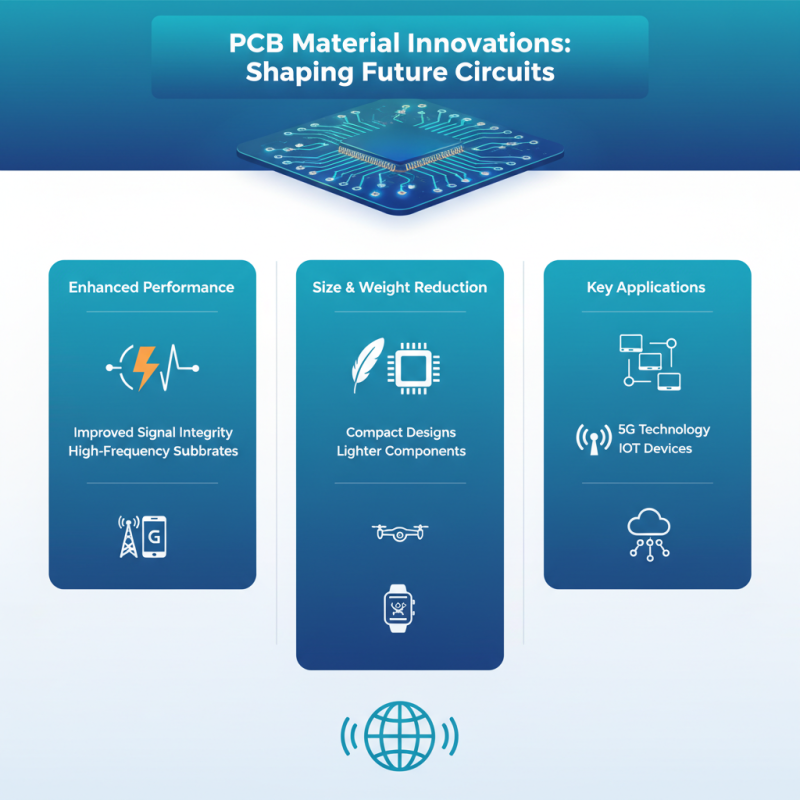
Advancements in PCB materials have significantly influenced circuit design in recent years. Innovative materials enhance performance while reducing size and weight. For instance, using high-frequency substrates can improve signal integrity. This is vital in applications like 5G technology and IoT devices.
Tips: Always consider the thermal properties of your materials. A good heat dissipation can prevent circuit failure. Proper heat management is often overlooked but crucial.
New composite materials have emerged, promising better durability and flexibility. These materials can withstand extreme conditions. However, they might be more expensive. This could be a barrier for some designers. Additionally, some materials may not be compatible with existing manufacturing processes. This creates a challenge in production.
Tips: Test prototypes early. This helps identify any compatibility issues before mass production. Early testing can save time and resources.
As we move towards 2026, embracing these advancements will be essential. Designers must stay updated. However, with innovation, there can be setbacks. Understanding these material challenges is key in developing effective PCB designs. Each choice can impact performance and reliability.
Trends in PCB Manufacturing Techniques for Enhanced Performance
Trends in PCB manufacturing are evolving rapidly. The latest reports indicate a shift toward more sustainable production methods. In 2022, about 35% of PCB manufacturers reported adopting eco-friendly materials. This trend is expected to grow significantly by 2026, aiming for a 50% adoption rate.
Innovations in manufacturing techniques are enhancing performance as well. For instance, additive manufacturing is gaining traction. This method allows for complex geometries and reduces waste. Industry experts project that by 2026, around 60% of new PCBs will utilize additive processes. However, challenges remain. Many manufacturers still rely on traditional subtractive methods, which may hinder progress.
Moreover, the use of advanced materials such as multilayer substrates is on the rise. These materials provide better thermal management and electrical performance. Yet, they often come with higher costs, raising concerns for budget-conscious companies. Adjusting to these changes is crucial. Balancing innovation with cost efficiency will determine the future landscape of PCB manufacturing.
Application-Specific PCB Types and Their Growing Importance
In 2026, application-specific PCB types will become increasingly vital. The push for customized circuit boards is driven by diverse industry needs. According to market research, nearly 45% of PCB sales in 2026 will be application-specific. These boards cater to sectors like automotive, medical, and consumer electronics, enabling precise performance.
Manufacturers face challenges when designing these specialized boards. Each application has unique requirements. The flexibility of the PCB design directly impacts functionality. For instance, the healthcare sector demands high reliability and compact designs. In contrast, automotive applications require enhanced durability and resistance to environmental factors. Balancing these needs can be tough.
**Tip:** Focus on user requirements during the design phase. Early collaboration with end-users helps clarify needs.
Emerging technologies further complicate PCB development. Trends like IoT and 5G require advanced circuit designs. However, not all manufacturers are ready for these advancements. Some lack the capabilities to meet new demands. This gap can hinder growth.
**Tip:** Invest in training for your design team. Keeping skills updated ensures competitiveness.
Understanding these trends and challenges is key. Each application will continue to shape how PCBs are developed. Placing emphasis on specificity could set a company apart in this evolving market.
What are the Best PCB Circuit Types for 2026? - Application-Specific PCB Types and Their Growing Importance
| PCB Type |
Application |
Key Features |
Market Growth (%) |
| Rigid PCB |
Consumer Electronics |
Cost-effective, durable, and reliable |
8% |
| Flexible PCB |
Wearable Devices |
Lightweight, compact, and flexible designs |
12% |
| Rigid-Flex PCB |
Aerospace & Defense |
Combination of rigid and flexible, high reliability |
10% |
| High-Frequency PCB |
Telecommunications |
Optimized for signal integrity at high frequencies |
15% |
| Metal Core PCB |
LED Lighting |
Excellent heat dissipation and thermal management |
9% |
Sustainability in PCB Design: Eco-Friendly Innovations for 2026
Sustainability in PCB design is crucial for the future. As we move towards 2026, eco-friendly innovations are gaining traction. Designers are exploring biodegradable materials. These materials reduce electronic waste significantly. They also offer similar performance to conventional ones.
Recycling is another focal point in PCB development. The ability to recycle components efficiently will reduce raw material extraction. However, many challenges remain. Companies often lack recycling infrastructure. This inconsistency weakens overall sustainability efforts.
Additionally, energy-efficient manufacturing processes are becoming vital. Reducing energy consumption is important. However, not all manufacturers are ready to invest in greener technologies. There’s hesitation, especially when initial costs are high. This raises questions about the balance between cost and sustainability. These aspects of PCB design need reflection as we look ahead.