2026 Best Pressure Reducing Regulators What to Look For?
In the realm of industrial applications, Pressure Reducing Regulators play a crucial role. These devices ensure stable pressure levels in various systems, enhancing safety and efficiency. According to recent industry data, the market for pressure reducing regulators is projected to grow significantly, with a compound annual growth rate (CAGR) of 5.2% from 2021 to 2026. This growth is driven by increasing demand in sectors such as oil and gas, water treatment, and pharmaceuticals.
Understanding what to look for in the best pressure reducing regulators is essential. Key criteria include pressure range, flow capacity, and materials used. Many companies still overlook these specifications, resulting in inefficiencies. A poorly chosen regulator can lead to increased operational costs and safety risks.
While the market offers a variety of options, not all models meet industry standards. Users should pay attention to compliance certifications. Brands that do not prioritize quality may pose long-term risks. Ensuring that you select the right pressure reducing regulator can make all the difference in system reliability and overall performance.
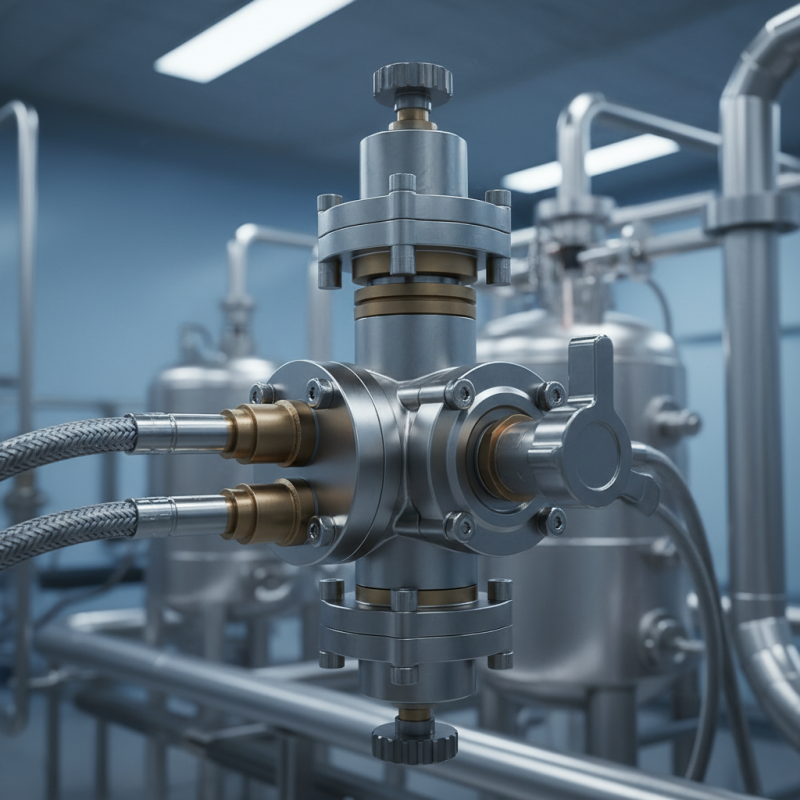
Key Features to Consider in Pressure Reducing Regulators
When looking for a pressure reducing regulator, several key features should be at the forefront of your mind. A high-quality regulator maintains consistent pressure. This consistency is crucial. Variations can lead to operational issues. A gauge that shows accurate pressure readings is important too. You want to avoid unexpected surges or drops.
Material quality also plays a vital role. Look for durable materials that can withstand your specific environment. Stainless steel is often a good choice. It resists corrosion and lasts longer. But not every project requires heavy-duty materials. Consider the application carefully.
Flow capacity is another factor. Your regulator should handle the required flow rate without restrictions. This might seem simple, but calculations aren't always straightforward. An underperforming regulator can disrupt processes. It's essential to know the expected demands and choose accordingly. Regular maintenance won't hurt either. Sometimes a little upkeep makes all the difference.
Types of Pressure Reducing Regulators and Their Applications
When selecting pressure reducing regulators, understanding the types can be crucial. There are various designs, each catering to specific applications. For instance, pneumatic regulators are often used in factories. They help control air pressure in machines. This type ensures efficiency and safety in operations.
Another common type is hydraulic regulators. They manage fluid pressure in hydraulic systems. Applications range from construction machinery to automotive systems. These regulators can be robust yet sensitive. They need careful calibration for optimal performance.
Another consideration is the application environment. Some regulators are designed for high temperatures, while others work well in cold conditions. It's essential to know the operating limits. Reflecting on your needs can guide you in choosing the right type. Balancing cost and quality is often a challenge. The right regulator can enhance efficiency significantly.
Understanding Pressure Regulation: How It Works
Pressure regulation is crucial for various applications. It ensures stable and safe operation in systems like gas, water, and hydraulic lines. Poor regulation can lead to failures, inefficiencies, or safety hazards. According to a report by the International Society of Automation, improper pressure management affects 30% of industrial systems, highlighting its importance.
Understanding how pressure regulators work is essential. A regulator controls the pressure of a fluid or gas. It reduces the incoming pressure to a desired level. This involves a diaphragm and spring mechanism that responds to changes in pressure. When working correctly, it maintains steady output pressure. However, miscalculations in choosing a regulator can lead to significant issues. In some cases, overpressure or underpressure can impact system performance dramatically.
Consider the data: studies show that up to 40% of pressure-related issues stem from equipment malfunctions. Regular maintenance can mitigate these risks. Still, selecting the right regulator requires careful analysis. Factors include the flow rate, pressure range, and medium. Not every regulator will suit every application. Inadequate understanding can lead to poor choices and costly repairs. It's vital to reflect on these details to ensure optimal performance.
Material and Build Quality: Factors for Durability and Performance
When selecting a pressure reducing regulator, material and build quality play crucial roles. Regulators made from durable materials ensure longevity. Common materials like brass or stainless steel resist corrosion and wear. These properties lead to more reliable performance over time. Cheaper materials may compromise safety and performance. They can lead to unexpected failures, causing potential hazards.
Design also matters. A well-constructed regulator has seals and fittings that reduce leakage. Poorly designed components can lead to inefficient flow and pressure control. Look for a model that demonstrates attention to detail. Weaker connections or joints can affect the entire system. Don’t overlook these often-forgotten aspects.
However, it's easy to focus too much on aesthetics. A shiny exterior may deter you from concerns about the internals. Always prioritize functionality over looks. Real-world usage can reveal flaws. You might find that what appears strong in a catalog fails under pressure. Testing different models is essential for finding the right balance of durability and efficiency.
2026 Best Pressure Reducing Regulators: What to Look For?
| Dimension | Material | Build Quality | Durability (Years) | Performance Rating |
| Compact | Brass | High Quality | 15 | 9.5/10 |
| Standard | Aluminum | Moderate Quality | 10 | 8.0/10 |
| Heavy Duty | Stainless Steel | Premium Quality | 20 | 9.8/10 |
| Industrial | Iron | Excellent Quality | 25 | 9.0/10 |
Top Brands and Models of Pressure Reducing Regulators in 2026
When looking for the best pressure reducing regulators in 2026, several key factors come into play. Consider the pressure range and flow capacity you need. Gauge accuracy and durability are equally important. High-quality materials enhance longevity, ensuring reliable performance. Compact designs can save space but may limit functionality. Choose wisely based on your specific requirements.
The market offers a variety of options from top brands. Electronic and mechanical models each have unique benefits. Electronic regulators can provide precise control and automated features. Meanwhile, mechanical models are often simpler and easier to maintain. Pay attention to customer reviews for insights into real-world performance. Durability concerns are common, so ensure you evaluate warranty details. Not every product may meet expectations, and some may require adjustments for ideal functioning.