What Is Chemical Heating and How Does It Work?
Chemical Heating describes the controlled release of heat from a chemical reaction or physical change. Unlike a conventional electric heater, some chemical heaters work without a plug or open flame. A familiar example is a reusable hand warmer, where a supersaturated solution crystallizes and releases heat. Other products rely on oxidation, hydration, or mixtures activated by air or water. The chemistry varies. So does the temperature. In each case, stored chemical energy becomes thermal energy, warming nearby surfaces or contents. A metal pouch may grow warm in your palm, while a self-heating meal container warms food inside a separate chamber. That separation matters.
How does the process begin, and what controls the warmth? This article explores the basic steps: activation, reaction, heat transfer, and eventual cooling. In many disposable warmers, exposure to air starts a gradual oxidation reaction. In reusable models, bending a small metal disk can trigger crystallization. These examples work differently, so it is worth checking the product design rather than assuming every warmer uses the same chemistry. Heat output depends on factors such as reactants, airflow, insulation, and container size. Some details are easy to miss. Chemical heating is not automatically safer or more efficient simply because it has no plug. Follow the manufacturer’s instructions, avoid opening sealed units, and keep products away from sensitive skin when directed. The science is useful, but not always intuitive; even a small change in airflow can affect how a warmer feels.
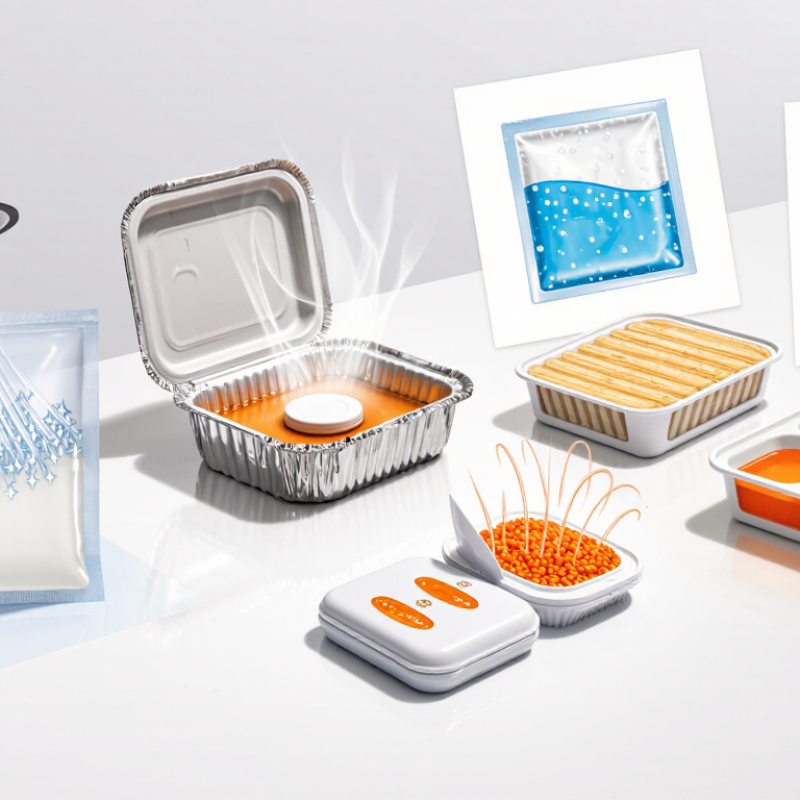
Definition of Chemical Heating
Chemical heating is the production of heat through a chemical change. In an exothermic reaction, the products release more energy than the reactants absorb. That extra energy moves into nearby materials and raises their temperature. Heat is transferred. The reaction may happen quickly, as in a brief flame, or slowly, as in a disposable hand warmer. In some warmers, iron reacts with oxygen in the air, releasing heat over time. Moisture and airflow can affect how steadily that warmth develops.
The term describes a process, not one specific device or reaction. Fuel burning, certain neutralization reactions, and controlled oxidation can all produce chemical heat. By contrast, endothermic reactions absorb heat from their surroundings, so they do not provide warmth in the same way. It is useful to distinguish chemical heating from electrical heating: an electric element converts electrical energy into heat, while chemical heating starts with energy stored in reactants. The details matter. A reaction’s temperature, speed, and duration depend on its materials and conditions, and warmth at the surface does not reveal the full reaction rate. The definition sounds simple, but it can hide practical limits. A reaction may release heat unevenly, and a small temperature change can be hard to judge without measurement.
Chemical Reactions That Release Heat
Chemical heating occurs when a chemical process transfers energy to its surroundings as heat. This is called an exothermic reaction. As reactants become products, atoms rearrange. Breaking bonds takes energy, while forming bonds releases it. The overall change releases heat when the products have less chemical energy than the reactants. Nearby air, a container, or skin can warm. Warm, not magic. Even a small temperature rise can feel noticeable in a cold room.
An air-activated hand warmer offers a familiar example. Iron reacts with oxygen, releasing heat gradually. The pouch’s insulation slows heat loss, so it stays warm longer. Some reusable packs release heat when a supersaturated solution crystallizes. In both cases, stored chemical energy changes into thermal energy; heat does not appear from nothing. Temperature depends on the reaction’s speed, the amount of material, airflow, and insulation. A faster reaction may feel hotter, but it can also cool sooner. That distinction is easy to miss. A thermometer can reveal changes that touch alone may not reliably show.
What Is Chemical Heating and How Does It Work? - Chemical Reactions That Release Heat
Examples of exothermic chemical reactions and how they produce useful heat | Reaction | Standard Enthalpy Change, ΔH° | Why Heat Is Released | Typical Context |
| CH₄(g) + 2O₂(g) → CO₂(g) + 2H₂O(l) | −890.3 kJ per mole of methane | Forming carbon dioxide and liquid water releases more energy than is needed to break the reactant bonds. | Methane combustion in a properly designed fuel-burning heating system. |
| 2H₂(g) + O₂(g) → 2H₂O(l) | −571.6 kJ for the reaction as written
(−285.8 kJ per mole of water formed) | Hydrogen and oxygen form water, a lower-energy product; the energy difference is released as heat. | Hydrogen combustion or fuel-cell systems. The value assumes liquid water as the product. |
| CaO(s) + H₂O(l) → Ca(OH)₂(s) | Approximately −65.2 kJ per mole of CaO | Hydration of calcium oxide forms calcium hydroxide and releases heat. | Controlled heat generation in some packaged or industrial applications. The reaction can become very hot. |
| HCl(aq) + NaOH(aq) → NaCl(aq) + H₂O(l) | Approximately −57.3 kJ per mole of water formed | Hydrogen ions and hydroxide ions combine to form water, releasing heat during neutralization. | Laboratory acid–base neutralization; the heat released depends on concentration and conditions. |
| 4Fe(s) + 3O₂(g) → 2Fe₂O₃(s) | Approximately −1,648 kJ for the reaction as written | Iron oxidation forms iron(III) oxide, a more stable product, and releases energy gradually when oxygen reaches the iron. | Air-activated iron hand warmers, which use a controlled oxidation process. |
How chemical heating works: An exothermic reaction has a negative enthalpy change (ΔH). As reactants form lower-energy products, the energy difference is transferred to the surroundings, often raising their temperature. Values shown are approximate standard enthalpy changes at 25°C; actual heat output depends on quantities, concentrations, heat loss, and reaction conditions.
How Chemical Heating Works Step by Step
Chemical heating creates heat through a chemical reaction rather than an electrical element or open flame. The reaction may release energy when substances combine, dissolve, or change form. The exact process depends on the materials and equipment, so this is a general explanation, not a guide for mixing chemicals.
How Chemical Heating Works Step by Step
A system keeps reactive materials apart until heat is needed. When activated, a barrier is opened or the materials are brought together. The reaction then releases energy, warming the container or a nearby surface. Heat moves from the reaction zone to the object being warmed, such as a meal pouch or hand warmer. The temperature rises, then gradually falls as the reaction slows or the available reactants are used up. Simple in theory. In practice, insulation, starting temperature, and reaction speed all affect performance. A package may feel unevenly warm, which can be surprising.
Tips: Follow the product’s instructions, keep heating materials away from eyes and skin, and avoid puncturing sealed containers. Let the system cool before disposal. If a container leaks, overheats, or smells unusual, stop using it and follow its safety guidance.
Common Methods and Materials Used for Chemical Heating
Chemical heating relies on reactions that release stored chemical energy as heat. Common methods include iron oxidation, salt dissolution, and crystallization. In air-activated warmers, fine iron powder reacts with oxygen; water and salt help the reaction proceed, while carbon or vermiculite spreads heat. Click-to-heat packs use a flexible metal disc to trigger sodium acetate crystallization. The liquid turns into solid crystals and releases heat. Some disposable packs instead dissolve calcium chloride in water.
Material choice changes the heat profile. NIST Chemistry WebBook thermochemical data lists calcium chloride’s dissolution enthalpy at roughly −81 kJ per mole of anhydrous salt. That figure describes a laboratory reference, not a guaranteed pack output: concentration, water temperature, and insulation matter. Iron-based warmers usually heat more gradually because oxygen enters through small pores. Tiny details matter. A blocked pouch may heat unevenly, and real-world results can be less tidy than a datasheet suggests.
Tips:Follow the pack’s instructions and avoid direct, prolonged skin contact. Test warmth through fabric, especially for children or people with reduced sensation. For a crystallization pack, reset it only as directed; incomplete dissolving can leave stubborn crystals and unreliable heating.
Applications and Safety Considerations
Chemical heating converts stored chemical energy into heat through a controlled reaction. In disposable hand warmers, iron powder reacts with oxygen and releases gentle warmth over time. Some meal-heating packs use a different reaction, activated by adding water. These devices can warm food outdoors, support field work, or provide heat where electrical outlets are unavailable.
Small devices, real heat.
In laboratories and manufacturing, chemical heat sources can support testing or process steps, but trained staff need to select and monitor them.
Safety depends on the specific chemistry. Read the equipment instructions before opening or activating a heater. Keep warming packs away from bare skin; wrap them in cloth and check skin regularly, especially for children and people with reduced sensation. A pack can cause burns even when it feels merely warm. Do not cut, puncture, or reuse sealed units unless instructions allow it. Some water-activated compounds can irritate or burn skin and eyes. Follow the label’s first-aid steps for contact, and seek medical help for eye exposure or persistent symptoms. Use heaters as directed around ventilation and flammable materials. Let used packs cool before handling or disposal. Disposal guidance varies with the contents; appearance alone is not a reliable guide.