How to Choose the Right Rigid Flex PCB for Your Project: Key Factors and Industry Insights
Choosing the right rigid flex PCB for your project can be a daunting task, especially with the myriad of options available in today's market. Rigid flex PCBs, known for their unique combination of rigidity and flexibility, play a crucial role in enhancing the performance and reliability of electronic devices across various industries. As the demand for compact, lightweight, and multi-functional designs continues to grow, understanding the factors that influence the selection of a rigid flex PCB becomes essential.
In this guide, we delve into key considerations that can help you make informed decisions about your rigid flex PCB choices. From understanding the specific needs of your project to analyzing material options and manufacturing capabilities, appreciating these elements can significantly impact the success of your design. Additionally, we will explore industry insights that highlight current trends and technologies in rigid flex PCB development, ensuring that you are well-equipped to navigate the complexities of your project with confidence.
By arming yourself with knowledge about rigid flex PCBs and the factors that drive their effectiveness, you can streamline your design process and enhance your product's performance. Whether you are working on medical devices, consumer electronics, or automotive applications, the right rigid flex PCB can be a game-changer, ultimately leading to a more efficient and reliable end product.
Understanding Rigid Flex PCB Types and Applications
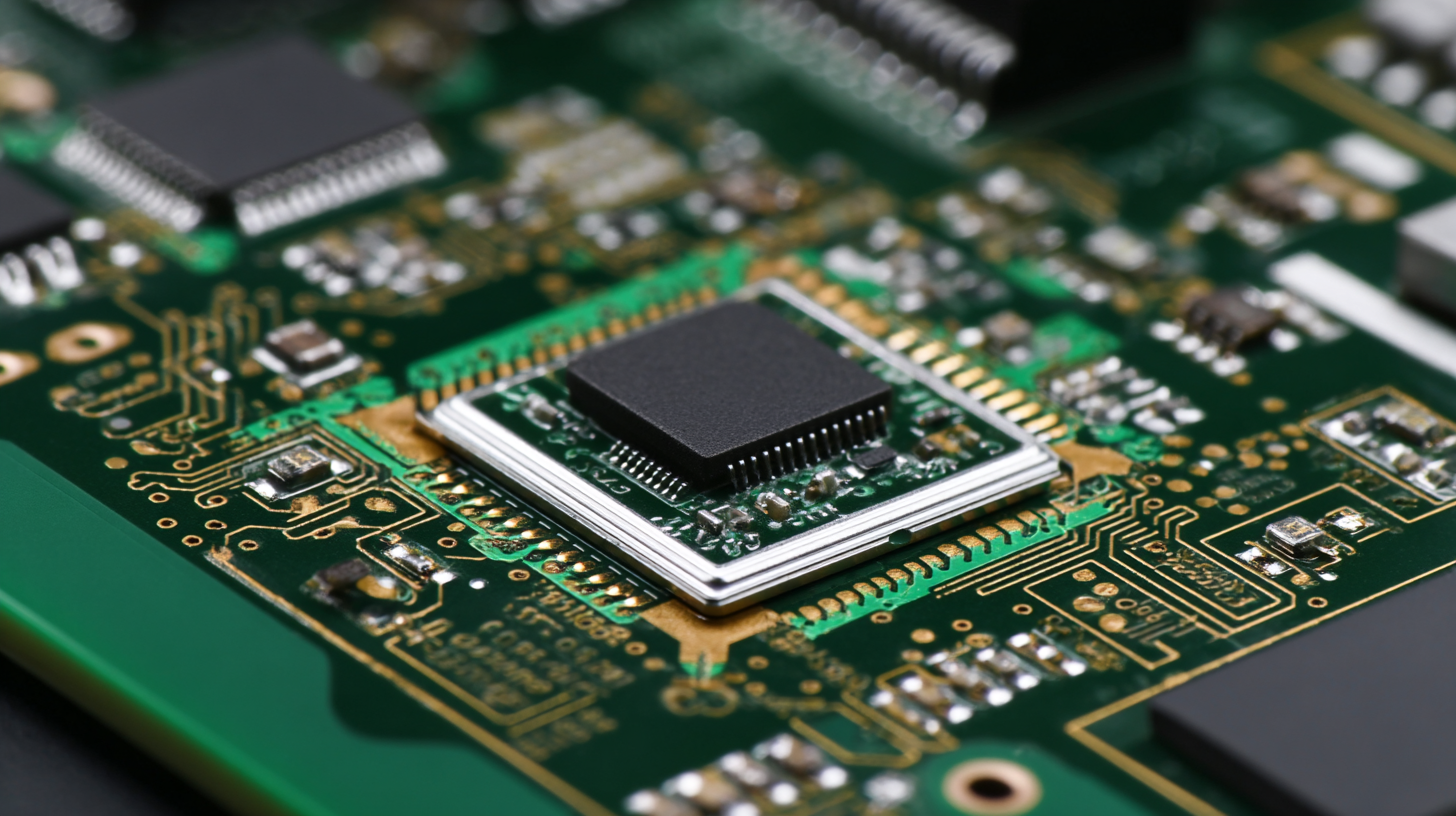
Rigid flex PCBs combine the best features of rigid and flexible circuits, making them a popular choice in various applications.
These PCBs consist of multiple layers, with sections of both rigid and flexible materials, allowing designers to create compact and lightweight devices without sacrificing performance.
Common applications include aerospace, medical devices, and consumer electronics, where space and weight are often critical factors.
Understanding the types of rigid flex PCBs is essential for selecting the right one for your project.
There are several configurations available, from simple designs with minimal layers to complex multilayer configurations that can support extensive circuitry.
Factors such as the number of layers, bend radius, and material composition play crucial roles in performance and durability.
For instance, applications requiring high-speed data transmission may benefit from specific materials that reduce signal loss, while medical devices might need robust designs to withstand sterilization processes.
By carefully considering these factors, engineers can choose the optimal rigid flex PCB that meets the unique demands of their projects.
Key Performance Metrics to Evaluate Rigid Flex PCBs
When selecting a rigid flex PCB for your project, understanding the key performance metrics is crucial. One of the fundamental metrics is the bending radius, which defines how tightly the flex portion of the PCB can be bent without compromising its integrity. A smaller bending radius often increases design flexibility but can lead to mechanical stress and potential circuit failure. Therefore, assessing the application's specific requirements is essential to determine an appropriate bending radius that balances flexibility and durability.
Another vital performance metric is the dielectric material used in the PCB. Different materials offer varying levels of thermal stability, electrical insulation, and mechanical strength. For instance, materials like polyimide excel in high-temperature environments but may be less effective in applications requiring high-frequency signals. Evaluating the material properties in relation to the operational conditions of the PCB helps ensure that the chosen rigid flex design will perform reliably throughout its intended lifecycle.
How to Choose the Right Rigid Flex PCB for Your Project: Key Factors and Industry Insights - Key Performance Metrics to Evaluate Rigid Flex PCBs
| Performance Metric |
Description |
Typical Value |
Importance Level |
| Layer Count |
Total number of conductive layers in the PCB |
2-10 layers |
High |
| Material Type |
Type of substrate material used |
FR-4, Polyimide |
Medium |
| Thickness |
Total thickness of the PCB including layers |
0.2mm - 1.5mm |
High |
| Temperature Range |
Operating temperature limits for the PCB |
-40°C to 125°C |
High |
| Impedance Control |
Ability of the PCB to maintain specified impedance |
±10-15% |
Medium |
| Flexibility |
Degree to which the PCB can bend without damage |
Flexible sections in the design |
High |
Material Selection: How It Impacts Rigid Flex PCB Design
When selecting materials for rigid flex PCBs, several key factors must be considered, as they significantly impact the design and performance of the final product. One of the most critical aspects is the choice of substrate material. Commonly used materials include polyimide, which offers excellent thermal stability and flexibility, and FR-4, known for its cost-effectiveness and good mechanical properties. Each material comes with its own set of advantages and limitations, influencing aspects such as electrical performance, thermal management, and overall durability.
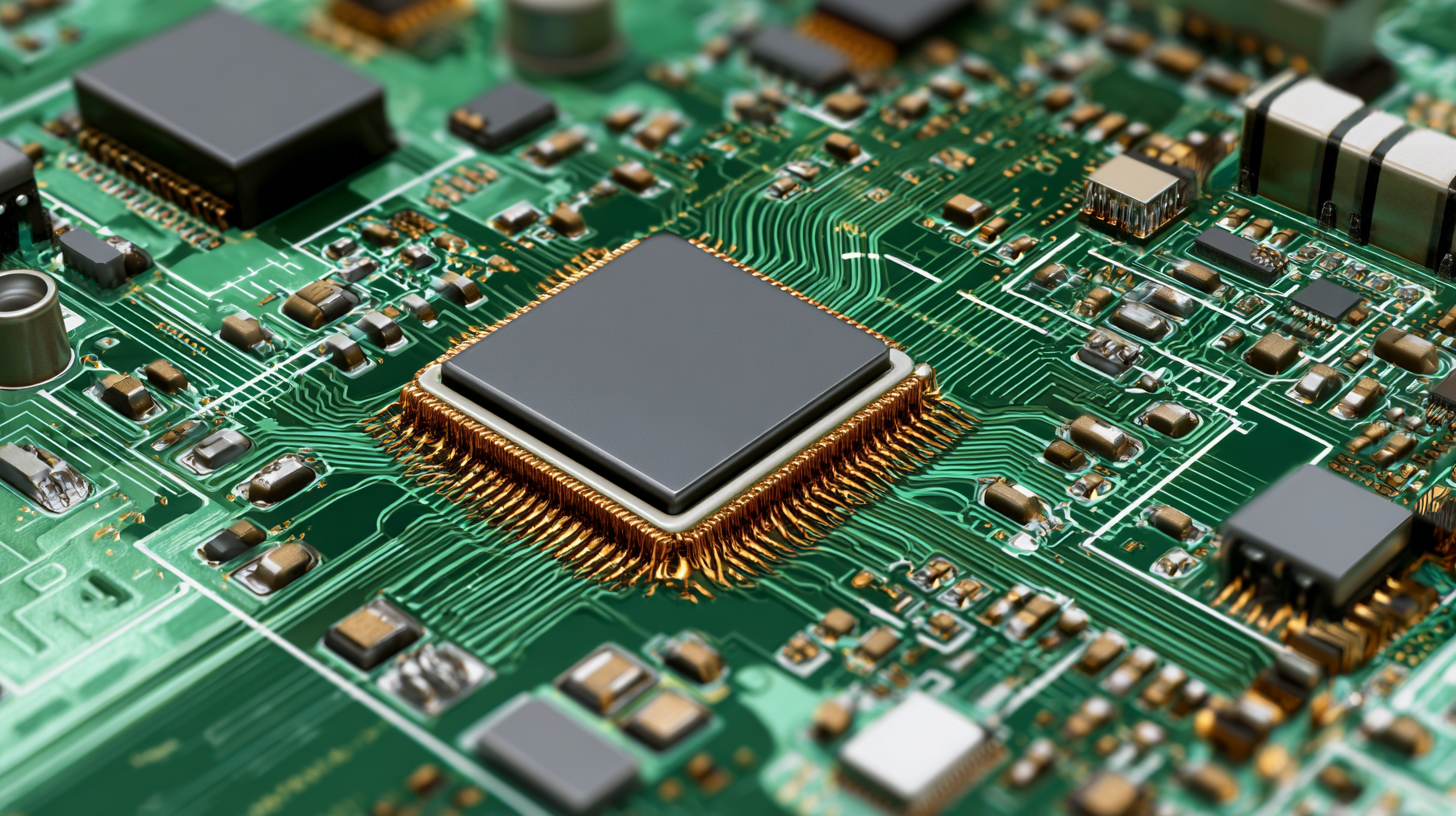
In addition to substrate choice, the thickness of both the rigid and flexible layers plays a vital role in design feasibility. Thicker layers may enhance rigidity but can limit flexibility, posing challenges in applications requiring intricate bending. Furthermore, the selection of conductive materials, such as copper or aluminum, is equally important, as it affects conductivity and heat dissipation. By carefully assessing these material factors, engineers can ensure that their rigid flex PCB design not only meets the technical requirements of their project but also optimizes performance and longevity in its intended application.
Cost Considerations: Budgeting for Rigid Flex PCB Production
When budgeting for the production of rigid flex PCBs, it is essential to understand the intricacies that contribute to overall costs. According to the IPC (Institute of Printed Circuits) report, the average cost of rigid flex PCBs can range significantly, depending on factors such as layer count, material quality, and the complexity of the design. For instance, common rigid flex designs might start at $100 for low-volume runs but can exceed $1,000 for high-layer-count configurations in specialized applications. Therefore, accurately assessing your project's specific requirements can help mitigate unexpected costs.
Another crucial cost consideration involves the manufacturing process itself. Rigid flex PCBs typically require more intricate fabrication techniques than standard rigid or flex PCBs. A report from Research and Markets indicates that the rigid flex PCB market is expected to grow at a CAGR of 9.5% from 2022 to 2030, reflecting increasing complexity in electronic devices and higher demand for flexible designs. Consequently, be prepared to allocate a budget that encompasses not just the raw material costs, but also the higher labor and manufacturing expenses associated with these sophisticated PCBs.
Cost Considerations: Budgeting for Rigid Flex PCB Production
Manufacturing Processes: What to Know for Quality Assurance
When selecting a rigid flex PCB (Printed Circuit Board) for your project, understanding the manufacturing processes involved is crucial to ensure quality assurance. According to the IPC (Association Connecting Electronics Industries), nearly 60% of PCB defects stem from manufacturing errors. Therefore, focusing on robust production methods can significantly enhance the reliability of your final product. Effective process controls, including automated optical inspection (AOI) and X-ray inspection, are essential. AOI can detect surface defects at a rate of over 99%, providing manufacturers the ability to catch issues early before they escalate into costly rework or project delays.
Furthermore, understanding the specifics of material choices and layering techniques can also influence the performance of rigid flex circuits. A recent study by the Flexible and Printed Electronics Association (FPEA) indicated that the use of advanced materials, such as polyimide substrates, can improve thermal stability by up to 15%. In addition, multilayer constructions allow for more complex routing, which is critical as electronic devices become increasingly compact. Whether designing for consumer electronics or medical devices, leveraging these insights around manufacturing processes will not only improve quality control but also optimize the overall design integrity of your PCB project.