Top Electronic Circuit Board Technologies and Their Applications?
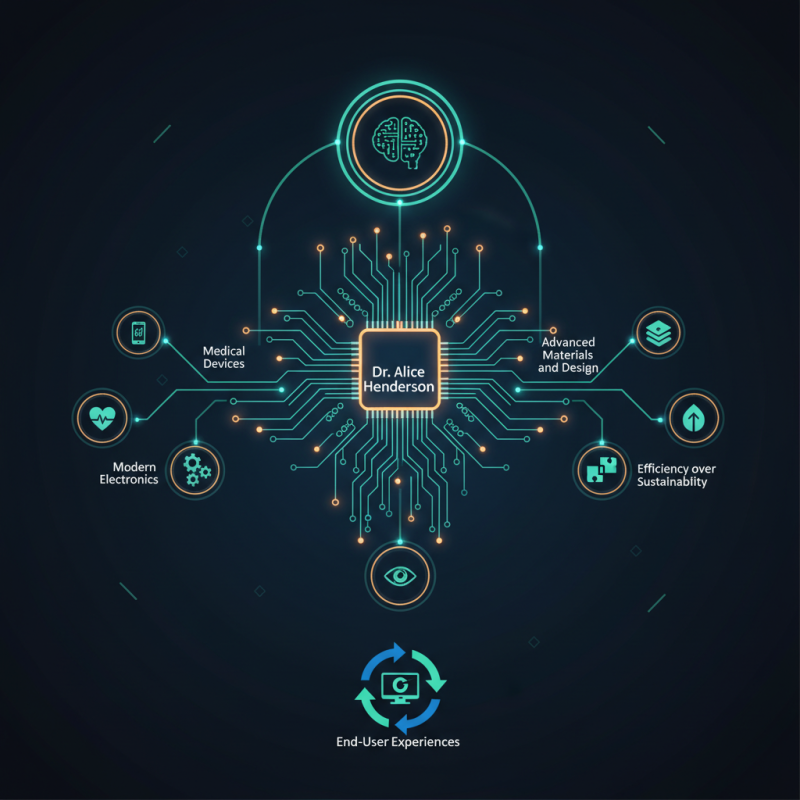
The electronic circuit board (PCB) industry is a rapidly evolving field. Innovations in technology are reshaping how devices are built and used. Experts like Dr. Alice Henderson emphasize the importance of PCBs in modern electronics. She once stated, "The future of technology lies in the capabilities of electronic circuit boards."
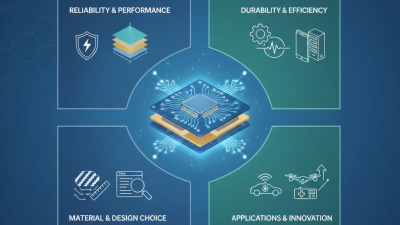
Today, electronic circuit boards are crucial in various applications. They serve in everything from smartphones to medical devices. With advances in materials and design, the potential for PCBs is expanding. However, challenges remain, such as integrating new technologies while maintaining reliability.
As we explore the top technologies in the electronic circuit board industry, it’s vital to reflect on their impact. Each innovation brings its own set of questions. Are we prioritizing efficiency over sustainability? How do these advancements affect end-user experiences? Understanding these complexities is important for the future of electronic circuit boards and their applications.
Overview of Electronic Circuit Board Technologies
Electronic circuit boards (PCBs) are crucial in modern technology. They connect electronic components through conductive pathways. Various technologies influence how these boards are designed and manufactured.
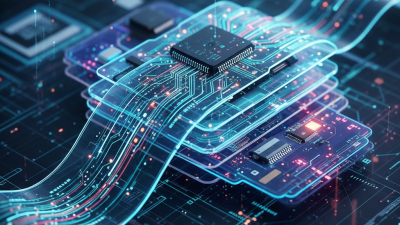
One prominent technology is multilayer PCBs. These boards stack several layers together. This design saves space in compact electronics. They are commonly used in smartphones and medical devices. However, manufacturing multilayer boards can be complex and costly. Errors in alignment can lead to failures.
Another important technology is flexible PCBs. These boards can bend and twist, allowing unique designs. They are used in wearable devices and advanced robotics. However, they may not be suitable for all applications. The materials can wear out quickly under stress, leading to potential issues. Exploring new materials could enhance their durability and performance.
Types of Electronic Circuit Boards and Their Characteristics
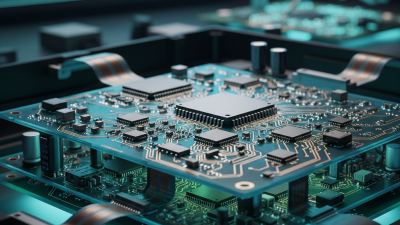
When discussing types of electronic circuit boards, it’s essential to highlight their diverse characteristics. The most common type is the printed circuit board (PCB). PCBs use conductive pathways to connect different components. They are usually made from materials like fiberglass and epoxy. PCBs are found in nearly every electronic device, from smartphones to refrigerators. Their versatility and reliability make them an industry standard.
Another type is the flexible circuit board. These boards can bend and twist, making them ideal for compact layouts. Their application in wearable technology is on the rise. However, flexibility can sometimes compromise durability. Designers face challenges in balancing flexibility with robustness. Rigid-flex circuit boards offer a solution by combining both rigid and flexible sections. This hybrid approach expands design possibilities.
Lastly, there are high-frequency circuit boards, often used in telecommunications. They require specialized materials to minimize signal loss. Yet, they can be costly and may not be suitable for all applications. Engineers must carefully assess the needs of a project before selecting the appropriate type. Each board has its unique pros and cons, leading to ongoing debates in the industry.
Key Manufacturing Processes for Circuit Boards
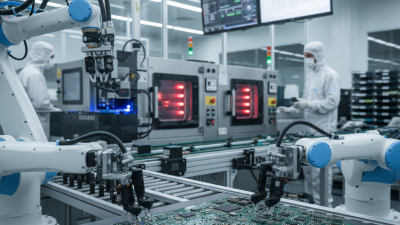
The manufacturing processes for circuit boards are crucial to their performance and reliability. Among the various methods, subtractive manufacturing remains popular. This process involves etching a copper layer down to the circuit pattern. According to industry reports, this technique accounts for over 60% of PCB production. However, it can produce waste and may not be suitable for complex designs.
Another important technique is additive manufacturing. This process builds circuits layer by layer, allowing for more intricate designs. It significantly reduces material waste, achieving a reduction of up to 50% when compared to traditional methods. As this technique evolves, it may reshape the industry. Challenges remain with speed and cost, which need to be addressed to ensure widespread adoption.
Tips: When designing circuit boards, consider production methods early. Collaborate with manufacturers to optimize designs for specific processes. Continuously reevaluate designs. The industry is changing fast, and what works today may not suffice tomorrow. Improving flexibility can lead to success.
Applications of Circuit Boards Across Various Industries
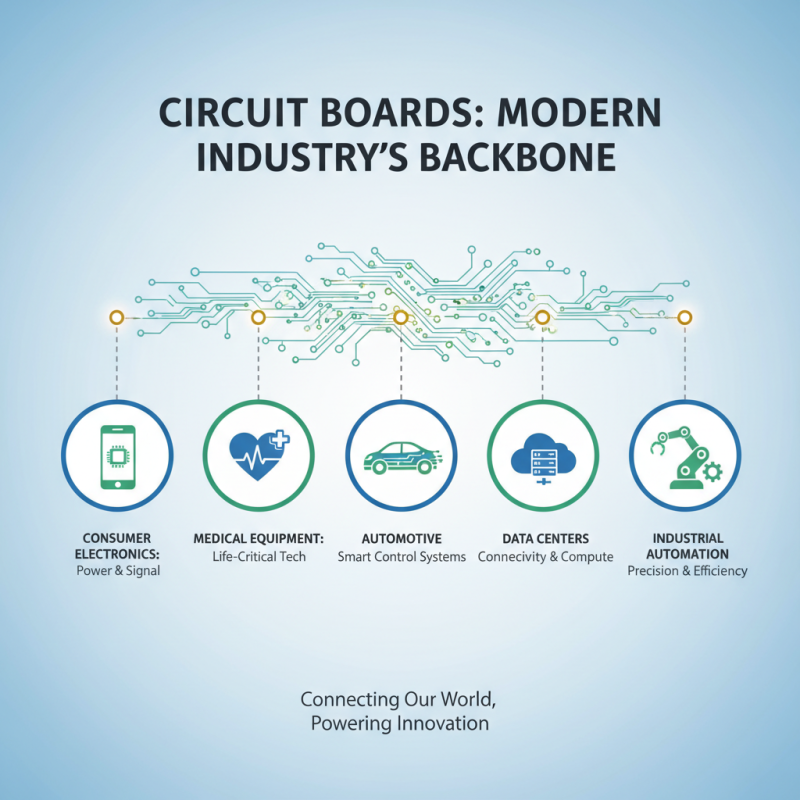
Circuit boards are essential in various industries today. Their design and functionality impact many devices we rely on. From consumer electronics to medical equipment, circuit boards serve as the backbone. They connect various components efficiently. For example, in mobile phones, they manage power distribution and signal processing.
In the automotive sector, circuit boards enable complex electronic systems. They control safety features, navigation, and infotainment. The integration of circuit boards supports the growing trend of electric vehicles. They help optimize battery management systems for better performance. However, the rapid advancement in this field often leads to challenges in keeping up with technology.
Healthcare devices also depend heavily on circuit boards. They allow for precise medical diagnostics and monitoring. Innovations in wearables utilize advanced circuit board designs. But, these technologies face issues related to reliability. Ensuring accuracy in critical environments can be tough. The need for continuous improvement remains, as industries strive for higher standards.
Emerging Trends in Circuit Board Technology and Future Prospects
Emerging trends in circuit board technology are reshaping various industries. Flexibility and compactness are now key design considerations. Flexible circuit boards allow for innovative devices. Wearable technology benefits significantly from this. These boards can wrap around the body or fit into tight spaces seamlessly. A challenge exists in ensuring durability in these applications.
Moreover, the push for higher integration affects design approaches. As devices become smarter, boards need to support more functions in less space. This raises concerns about heat management and signal integrity. Designs can easily become too complex. Whether solutions like better materials or thermal management techniques are viable remains open for discussion.
The advent of eco-friendly materials is another emerging trend. These alternatives aim to reduce environmental impact. Yet, manufacturers must balance cost and performance. Finding the right materials that satisfy both criteria is often difficult. The future of circuit boards lies in resolving these contradictions, proving that innovation is both an opportunity and a challenge.