Top 5 Flexible PCB Manufacturing Techniques for Enhanced Electronics Performance
As the demand for advanced electronics continues to grow, the need for innovative manufacturing techniques is more critical than ever. Flexible PCB manufacturing has emerged as a key player in the electronics industry, enabling the development of lightweight, compact, and adaptable circuit designs that can meet the challenges of modern technology. The flexibility of these printed circuit boards allows for integration into a wide range of applications, from consumer electronics to medical devices, enhancing overall performance and reliability.
In this exploration of the top five flexible PCB manufacturing techniques, we will delve into methods that not only optimize the design and production process but also elevate the functionality of electronic products. By understanding these techniques, manufacturers can better harness the advantages of flexible PCBs, pushing the boundaries of what is feasible in electronics design. As we look towards 2025, it is imperative to remain at the forefront of flexible PCB manufacturing trends, ensuring that companies can deliver high-quality, state-of-the-art products that meet the evolving needs of the market.
Advancements in Flexible PCB Manufacturing Techniques and Their Impact on Performance
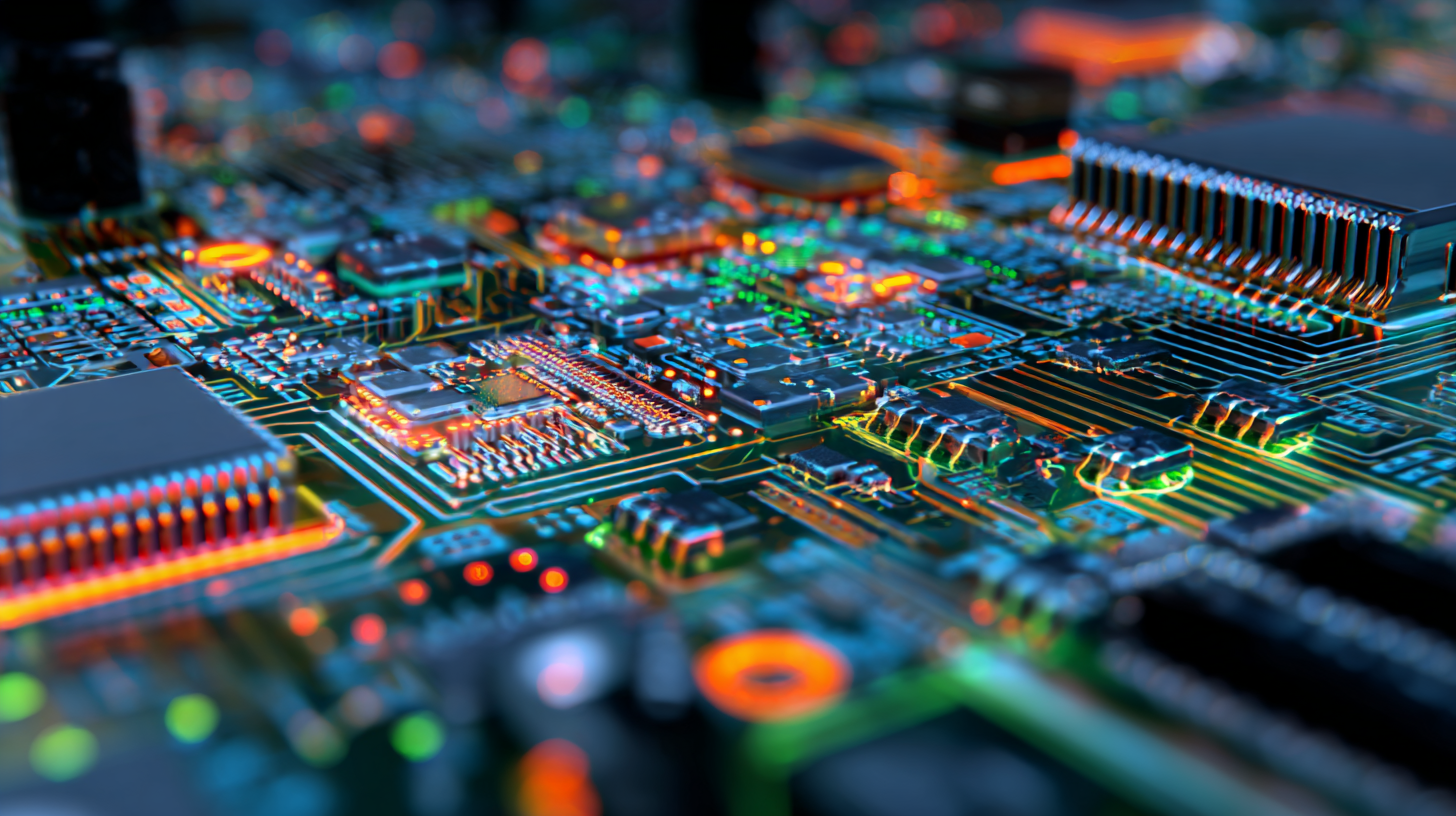
Recent advancements in flexible PCB manufacturing techniques have significantly transformed the landscape of electronics performance. The evolution of materials and processes, such as the utilization of high-performance polyimides and innovative lamination methods, allows for thinner and lighter designs without compromising durability. These materials not only enhance flexibility but also improve thermal stability and chemical resistance, making them ideal for various high-stress applications in consumer electronics and automotive sectors.
Moreover, techniques such as additive manufacturing and advanced etching methods enable precise patterning and increased circuit density on flexible substrates. This leads to greater functionality in smaller devices, empowering designers to create intricate layouts that were once considered impossible. Enhanced printing technologies also facilitate rapid prototyping and short-run production, allowing for quicker iterations and reduced time-to-market. As a result, these advancements directly impact device reliability and performance, paving the way for the next generation of compact and efficient electronic products.
Comparison of Traditional vs. Flexible PCB Techniques: A Data-Driven Analysis
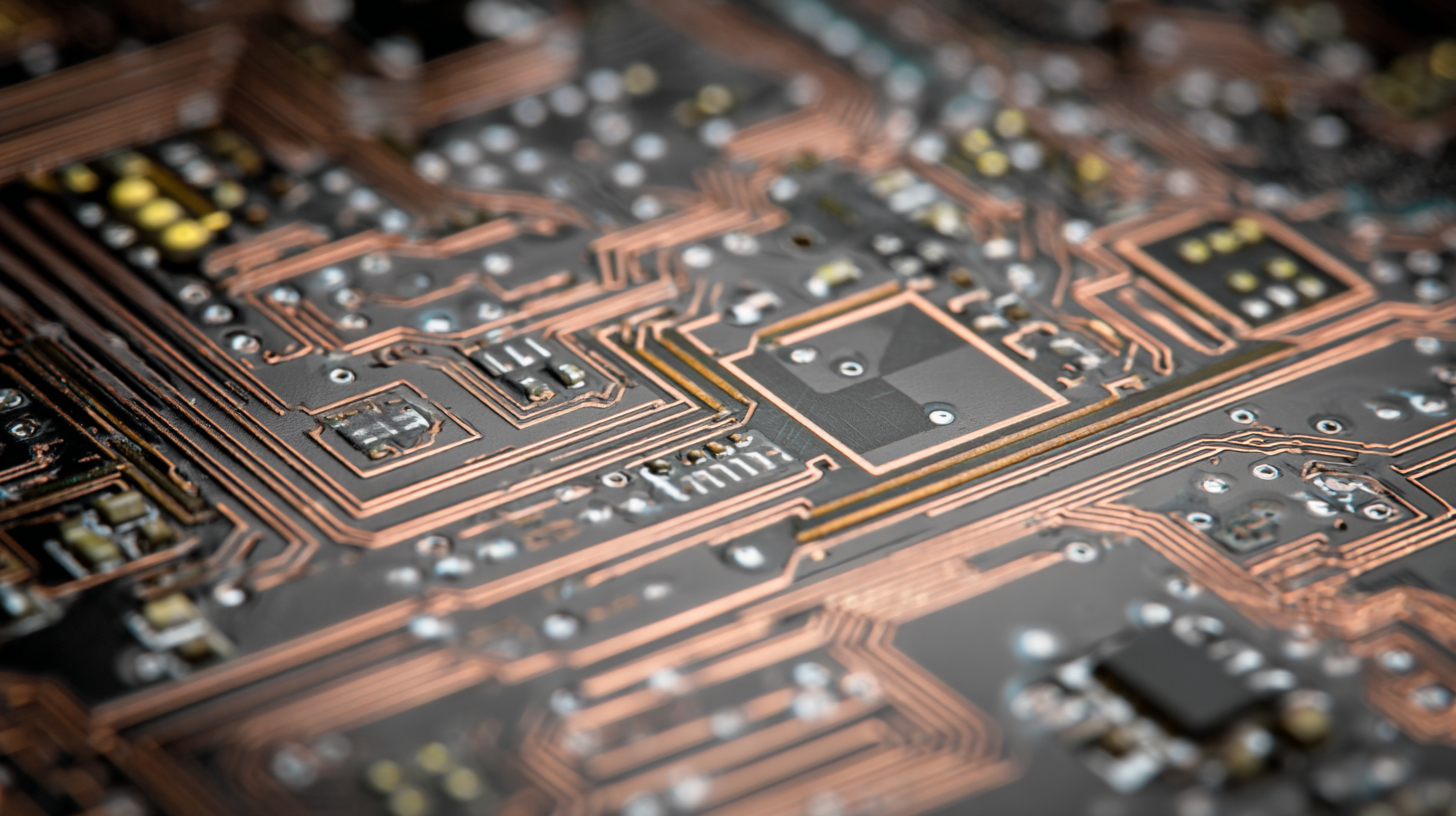
Flexible PCBs have revolutionized the electronics industry by introducing innovative manufacturing techniques that enhance device performance. This analysis compares traditional PCB methods with flexible alternatives, highlighting the effectiveness of materials such as biodegradable substrates. Recent studies emphasize the importance of transitioning to eco-friendly materials, which not only meet performance demands but also address sustainability concerns in electronics manufacturing.
Tips: Consider incorporating bio-based alternatives to conventional materials in your next PCB design to improve both functionality and environmental impact. Additionally, keep an eye on emerging fabrication methods, such as inkjet printing, which can streamline the manufacturing process while ensuring precise application of functional materials.
As wearable technology continues to gain traction, understanding the nuances between traditional and flexible PCB techniques becomes essential. Advanced techniques not only provide better durability and flexibility but also promote the design of innovative, body-conformable electronics. By adopting these new strategies, manufacturers can unlock new possibilities for application, contributing to the evolution of modern electronic devices.
Key Materials for Enhanced Performance in Flexible PCB Manufacturing
In the realm of flexible PCB manufacturing, the choice of materials plays a pivotal role in enhancing the performance of electronic devices. Polyimide is one of the most preferred substrates due to its excellent thermal stability and flexibility. According to a report by MarketsandMarkets, the global market for flexible printed circuits is projected to grow from USD 25.6 billion in 2021 to USD 38.3 billion by 2026, highlighting the increasing demand for high-performing materials that can withstand extreme conditions while maintaining reliability in electronic applications.
Another critical material is adhesive, specifically the use of acrylate or epoxy-based adhesives, which enhance adhesion while allowing for thermal expansion. A study from IPC (Institute of Printed Circuits) indicates that the right adhesive can improve the durability of flexible circuits by up to 30%, as they need to endure significant flexing and bending in modern applications. Furthermore, advances in conductive inks, such as silver and copper nanoparticles, have made it possible to achieve high conductivity in thinner layers, which not only reduces the overall footprint of the circuits but also enhances their electrical performance. This integration of cutting-edge materials is vital for the future of electronics, supporting innovations in various sectors from medical devices to consumer electronics.
Innovations in Flex PCB Design: Meeting the Demand for Miniaturization
The demand for miniaturization in electronic devices is driving innovations in flexible printed circuit board (Flex PCB) design. As technology advances, the need for smaller, lightweight, and highly functional components is more critical than ever. According to a recent report by the IPC Association Connecting Electronics Industries, the global market for flexible PCBs is projected to reach $30 billion by 2026, with a compound annual growth rate (CAGR) of over 10%. This growth emphasizes the significance of Flex PCBs in enabling compact designs without compromising performance.
One of the key innovations in Flex PCB design is the use of advanced materials that enhance conductivity and thermal management. For instance, polyimide materials are becoming increasingly popular due to their excellent thermal resistance and flexibility, making them ideal for high-density applications such as smartphones and wearables. Moreover, the integration of multi-layer designs allows for more complex circuitry in a reduced footprint, addressing the growing need for miniaturized electronic systems. The adoption of techniques like fine pitch, micro-via drilling, and laser etching further facilitates intricate designs, helping manufacturers meet market demands for smaller form factors while achieving superior performance and reliability.
Top 5 Flexible PCB Manufacturing Techniques for Enhanced Electronics Performance
| Technique |
Description |
Advantages |
Applications |
| Photochemical Etching |
A process that uses light to etch circuits onto the substrate. |
High precision and can create intricate designs. |
Consumer electronics, medical devices. |
| Screen Printing |
Involves applying conductive ink through a stencil onto the PCB. |
Cost-effective for large volumes; suitable for flexible substrates. |
LED lighting, automotive applications. |
| Laminated Flex Circuits |
Layers of materials are bonded together to create flexible circuits. |
Robust and reliable; can support various component types. |
Wearable technology, IoT devices. |
| Via-in-Pad Technology |
Holes for vias are placed directly within component pads. |
Saves space and reduces the footprint of PCB designs. |
High-density applications, advanced consumer electronics. |
| 3D Printing Flex PCBs |
Utilizes additive manufacturing to create flexible circuit boards. |
Rapid prototyping; flexibility in design changes. |
Prototype development, specialized electronics. |
Cost-Benefit Analysis of Flexible PCB Techniques in High-Performance Electronics
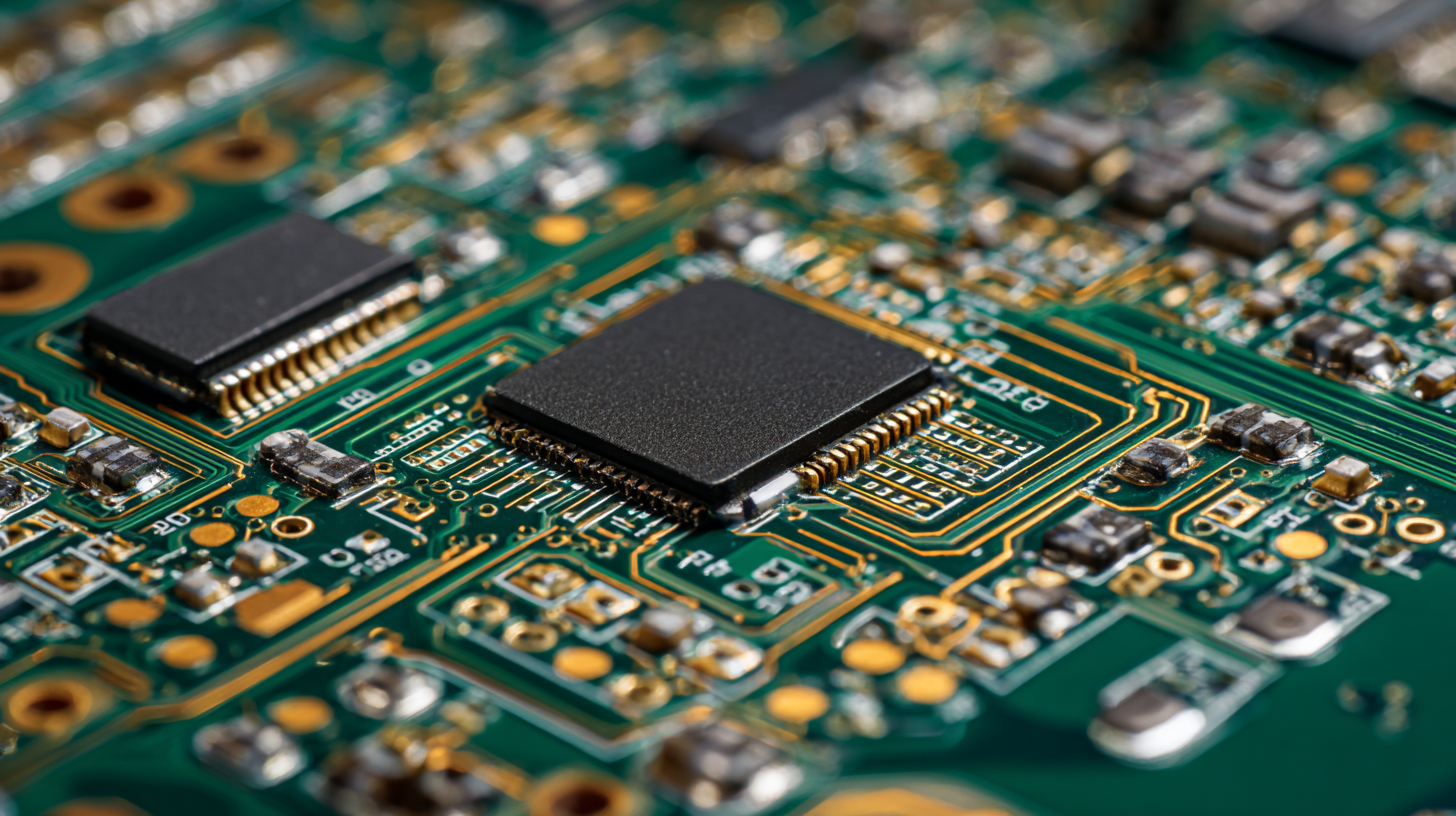 When evaluating flexible PCB manufacturing techniques, a cost-benefit analysis reveals the significant advantages they offer for high-performance electronics. According to a recent report by IPC, the global flexible PCB market is projected to reach $41 billion by 2026, showcasing a compound annual growth rate (CAGR) of 13.5%. This rapid growth underscores the increasing demand for lightweight, space-efficient electronic devices where flexible PCBs excel. By integrating these advanced manufacturing techniques, companies can achieve not only enhanced performance but also potential cost savings through reduced material waste and streamlined production processes.
Tips for manufacturers include investing in the latest printing technologies, like additive manufacturing, which can lower production costs while maximizing design freedom. Additionally, companies should consider the long-term benefits of flexible PCBs in terms of durability and thermal performance, as highlighted by a study from FlexTech Alliance that indicates flexible circuits can improve the lifecycle of electronic devices by up to 30%. Focusing on these aspects can lead to optimal electronic designs that meet modern consumer demands effectively.