Why Do I Need a PC Board for My Electronics Projects and How to Choose One
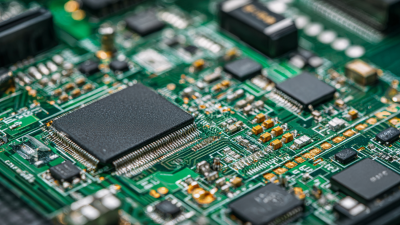
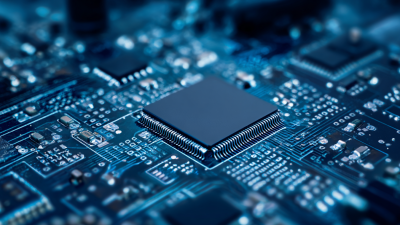
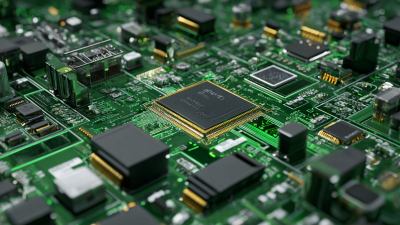
In the realm of electronics projects, the significance of a PC board cannot be overstated. Whether you are a hobbyist assembling a simple circuit or a professional developing complex devices, a printed circuit board (PC board) serves as the backbone of your project, providing an organized framework that facilitates connections and functionality. The PC board not only houses the electronic components but also enables efficient signal flow and minimizes interference, which are critical for the performance of any electronic system.
Choosing the right PC board for your project can be a daunting task, given the myriad of options available. Factors such as board material, size, layer count, and design complexity will profoundly impact the final product's efficiency and reliability. Understanding these variables is essential for selecting a PC board that meets the specific requirements of your project, ultimately leading to successful and robust electronic designs. In this article, we will explore the importance of PC boards in electronics, and provide guidance on how to make informed choices when selecting a board tailored to your individual needs.
The Importance of PC Boards in Electronics Projects for Stability and Reliability
Printed Circuit Boards (PCBs) play a crucial role in the stability and reliability of electronic projects. According to a report by IPC, a global association for the electronics industry, approximately 90% of all electronic devices rely on PCB technology for functionality. PCBs provide a solid foundation for connecting various components, ensuring that signals can travel efficiently and consistently. This reduces the chances of circuit failures caused by loose connections, which are common in breadboard setups or point-to-point wiring.
Moreover, the layer structure of modern PCBs enhances stability, especially in complex projects. Multi-layer PCBs can significantly diminish electromagnetic interference (EMI) and thermal issues, which are essential for maintaining the performance of sensitive electronics. A study published by Electronics Weekly highlights that using PCBs can improve the reliability of electronic systems by up to 30% compared to traditional prototyping methods. As projects transition from prototypes to production, choosing the right PCB ensures that the final product meets not only functional requirements but also industry standards for durability and efficiency. This makes the decision about which PCB to use an essential part of the design process.
Importance of PC Boards in Electronics Projects
Key Features and Specifications to Consider When Selecting a PC Board
When selecting a PC board for your electronics projects, it’s crucial to focus on key features and specifications that align with your project requirements.
One of the primary considerations is the board size. The dimensions should fit comfortably within your project enclosure while providing enough space for connections and components.
Additionally, you need to evaluate the thickness and material of the board; common materials include FR4 and aluminum, each offering different thermal and electrical properties suited for various applications.
Another important specification is the number of layers in the PCB.
Single-layer boards are ideal for simpler designs, while multi-layer boards can accommodate more complex routing, enabling higher component density and reduced interference.
Furthermore, assess the type and quantity of connections available, such as through-hole vs. surface mount pads, to ensure compatibility with your components.
Lastly, take into account the power capacity and operating environment of the board; this includes understanding voltage ratings and temperature tolerances to maintain performance and reliability in your specific application.
Understanding Different Types of PC Boards: Material and Layer Configuration
When selecting a printed circuit (PC) board for your electronics projects, understanding the different types of materials and the configurations of layers is crucial. The most common material used for PC boards is fiberglass-reinforced epoxy, known for its durability and insulation properties. However, alternatives like polyimide and paper phenolic boards can also be beneficial, depending on the specific requirements of a project. For instance, polyimide boards are excellent for high-temperature applications, while paper phenolic boards can be more cost-effective for less demanding environments.
Layer configuration is another significant factor in choosing a PC board. Single-layer boards are suitable for simple circuits, providing straightforward designs that are easy to manufacture. In contrast, double-layer and multi-layer boards allow for more complex circuits and functionality, accommodating a higher density of components. Multi-layer boards, with their ability to interconnect multiple substrates, offer significant advantages in space-constrained applications. Each configuration comes with its trade-offs, such as cost and complexity, and determining the right one involves assessing project needs against available resources. Understanding these elements helps ensure a successful and efficient design process for your electronics projects.
Analyzing Cost-Effectiveness: Budgeting for PC Boards in DIY Projects
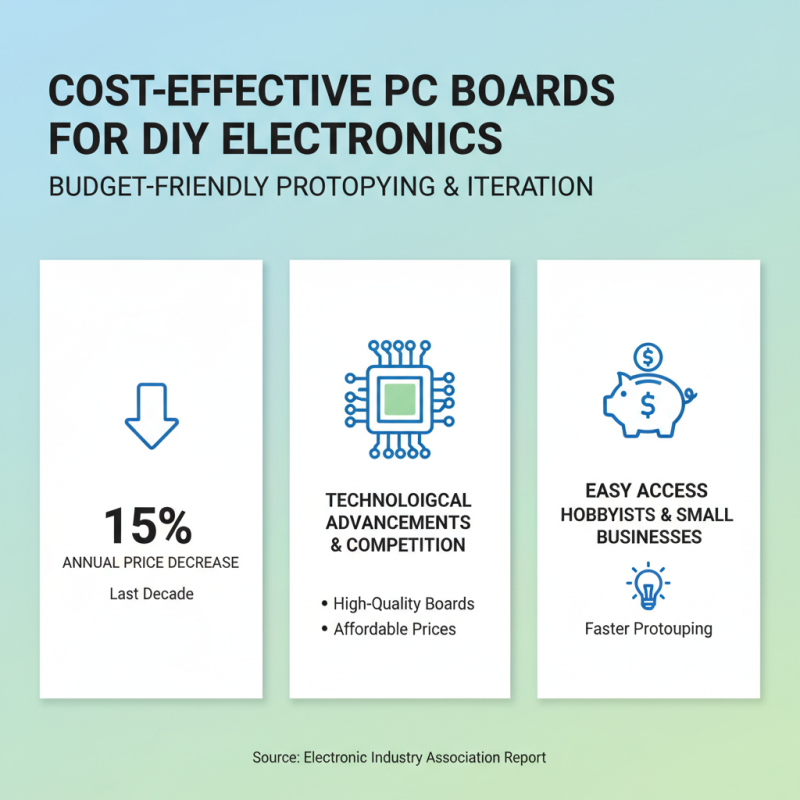
When embarking on DIY electronics projects, understanding the cost-effectiveness of PC boards is crucial for budgeting. According to a report by the Electronic Industry Association, the cost of PCB manufacturing has significantly decreased over the past decade, with prices dropping by approximately 15% annually due to advancements in technology and increased competition. This reduction enables hobbyists and small businesses to access high-quality boards at affordable prices, making it easier to prototype and iterate on designs without breaking the bank.
In analyzing costs, it’s also important to consider the hidden expenses associated with DIY electronics projects. A study by the International Journal of Electronics Design highlighted that while the initial acquisition cost of PCBs may seem low, additional factors such as shipping, assembly, and testing can add up quickly. Budgeting effectively means accounting for these elements, which typically represent 20-30% of the total project costs. Furthermore, the ability to buy in bulk can offer significant cost savings, with discounts commonly available for larger orders, thus encouraging DIY enthusiasts to plan their projects with an eye toward efficiency and economy.
Best Practices for Designing and Prototyping Your PC Board Efficiently
When it comes to designing and prototyping a PC board, efficiency is key. A well-planned PC board can significantly streamline your electronics project, saving both time and resources. Start by mapping out your circuit diagram meticulously. This blueprint will guide you in placing components in a way that minimizes both space and interference. Additionally, consider the layout; components that are frequently connected should be placed close together to reduce the length of traces needed.
**Tips:** One best practice is to use a grid system when laying out your board. This not only helps in maintaining uniformity but also makes it easier to troubleshoot in the future. Moreover, ensure that there is ample space between components for heat dissipation, particularly for high-power parts.
Another essential aspect is validating your design through simulation software before moving to physical prototyping. This step can reveal potential errors early in the design process, saving you time and material costs. After completing your prototype, perform thorough testing to identify any issues with connectivity or performance. Adjusting the design based on real-world testing will lead to a more reliable and efficient PC board.
**Tips:** Don’t hesitate to iterate. Each version of your prototype can teach you something new, and improvements can always be made. Document your findings to refine your approach in future projects, ensuring a smoother design process each time.