Unlocking the Future: The Role of PC Boards in Advancing Technology and Innovation
In the rapidly evolving landscape of technology, the significance of PC boards has become increasingly paramount as they serve as the backbone of modern electronic devices. These intricate yet essential components are not merely passive platforms; they are active facilitators of innovation, driving advancements in fields such as computing, telecommunications, and automotive technologies.
As we venture into an era characterized by the Internet of Things (IoT), artificial intelligence, and smart technologies, the demand for high-performance PC boards will continue to surge. This article delves into the multifaceted role of PC boards in unlocking the future of technology, exploring how their design, materials, and manufacturing processes are pivotal in enhancing functionality and performance.
By understanding the impact of PC boards, we can better appreciate their contribution to the technological innovations that shape our daily lives and drive us toward a more interconnected future.
The Evolution of PC Boards: From Basic Circuits to Complex Systems
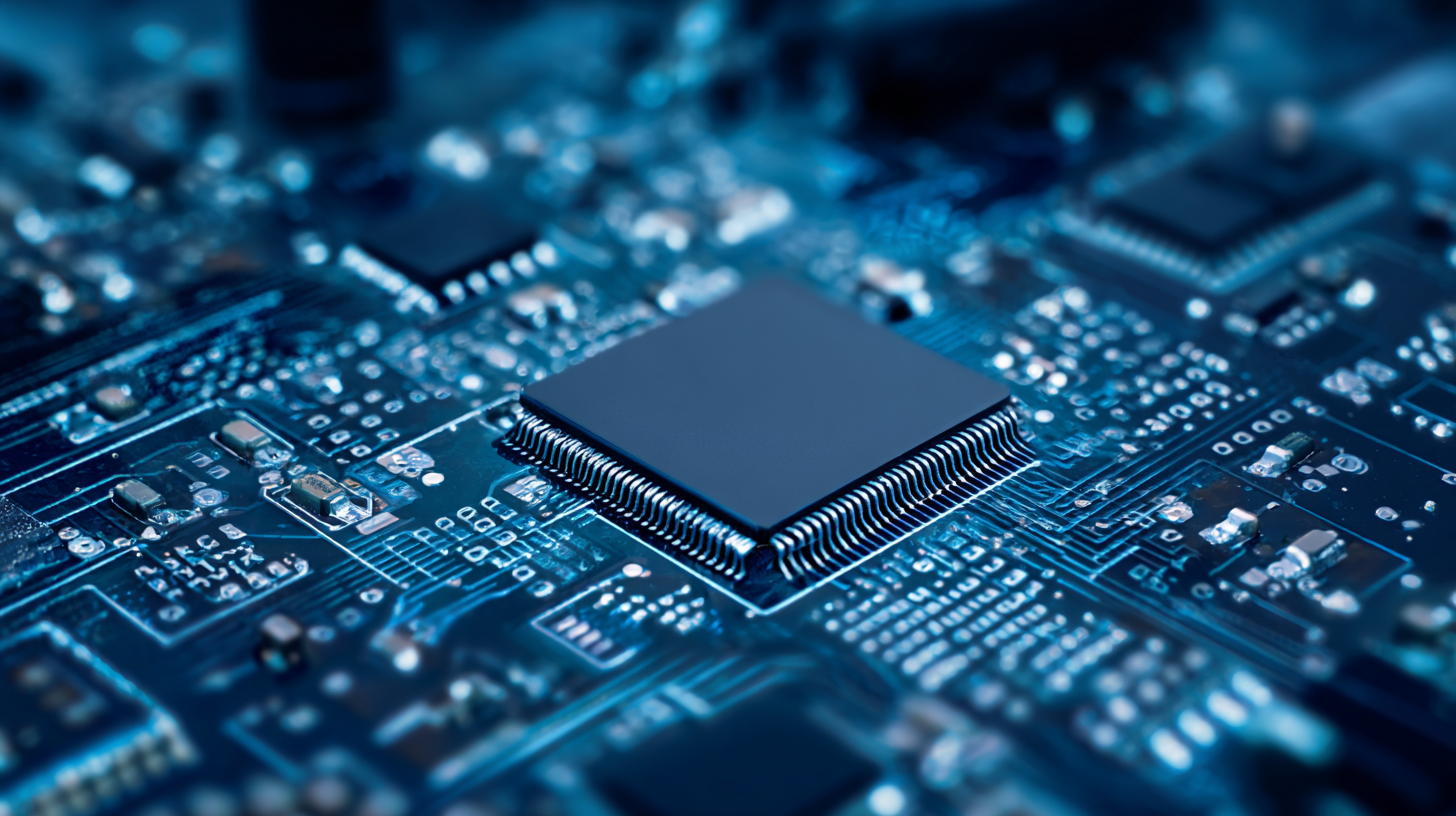
The evolution of PC boards has marked a significant transformation in the landscape of technology, shifting from rudimentary circuits to intricate systems that power modern devices. Initially, PC boards were simple, analog circuits designed to perform basic functions. Their primary role was to connect various electronic components, enabling communication and data flow. As electronic demands grew, engineers began integrating more functionality into these boards, leading to the development of printed circuit boards (PCBs) that housed complex arrangements of resistors, capacitors, and integrated circuits.
In the contemporary context, PC boards are central to the operation of advanced technologies, such as smartphones, computers, and IoT devices. The miniaturization of components and the advancement of manufacturing techniques have allowed for the creation of multilayered and flexible PCBs, which support intricate electronic designs while maintaining efficiency and performance. This transition has not only enhanced the capability of devices but also paved the way for innovations, such as wearable technology and smart home solutions, highlighting the indispensable role that PC boards play in driving advancements across various sectors.
Unlocking the Future: The Role of PC Boards in Advancing Technology
This chart illustrates the evolution of printed circuit boards (PCBs) over the decades, showcasing the increase in the number of layers, which reflects the growing complexity and capability of electronic systems. From the basic circuits of the 1970s to the advanced multilayer designs of the 2020s, the advancements in PCB technology are critical to the progression of various technologies and innovations.
Key Innovations in PC Board Technology Driving Modern Devices
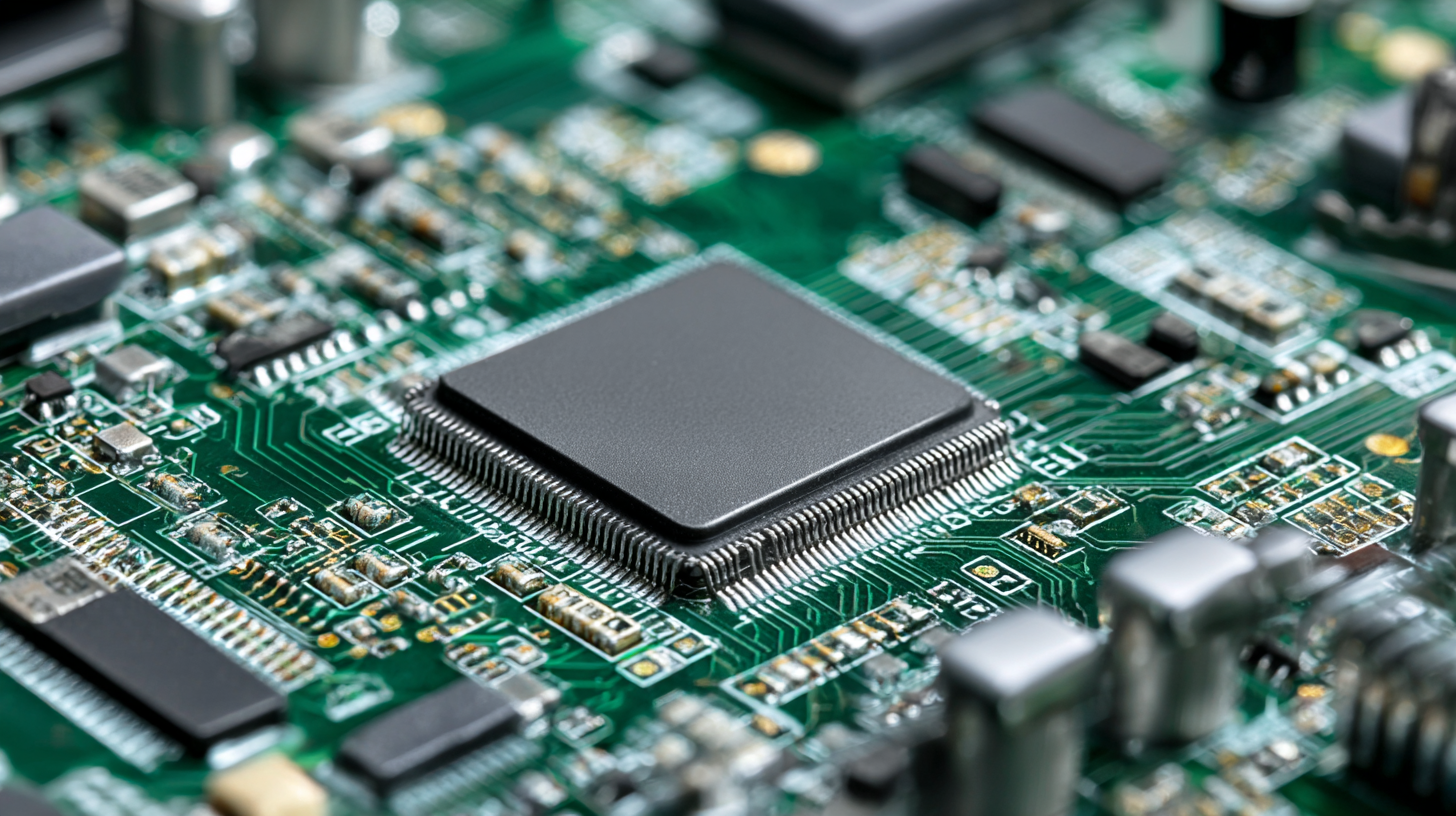
The rapid evolution of technology has increasingly relied on advancements in printed circuit board (PC board) technology, which serve as the backbone of modern devices. Recent discussions surrounding the end of support for widely-used operating systems underscore the pressing need for innovation in the hardware that supports them. As industries pivot toward greener practices to meet sustainability goals, the role of robust and efficient PC boards becomes more critical. Innovations in these components not only facilitate the development of more powerful devices but also contribute to the overall efficiency of IT infrastructures.
 Tips: When considering new PC board technologies, look for features such as enhanced thermal management and improved scalability that can support emerging applications. Further, prioritizing manufacturers focused on sustainable materials can contribute to your eco-friendly initiatives effectively.
In line with this trend, many tech companies are pushing the boundaries of creativity and productivity by integrating artificial intelligence into their offerings. This not only enhances user experience but also aligns with the industry's shift toward more sustainable and innovative solutions. As the landscape evolves, investing in advanced PC board technology will be vital for organizations aiming to remain competitive and meet the demands of a fast-paced digital society.
Tips: Keep an eye on developments in AI-enhanced hardware; these innovations can significantly boost your operational efficiency and product capabilities.
The Impact of PC Boards on Emerging Technologies
Printed circuit boards (PCBs) have become the backbone of modern electronic devices, playing a critical role in the development of emerging technologies. From smartphones to advanced medical equipment, the intricacies of PCBs allow for miniaturization and increased functionality, which are essential as the demand for smaller, more efficient devices grows. The ability of PCBs to house and connect an ever-expanding array of components has made them integral to innovations in fields like artificial intelligence, Internet of Things (IoT), and renewable energy solutions.
Moreover, the evolution of materials and design techniques in PCB manufacturing is paving the way for greater innovation. Flexible PCBs, for instance, enable the design of lightweight and compact gadgets that can bend and conform to various shapes, improving usability and aesthetics. As technologies such as 5G and automotive electrification emerge, high-frequency and high-density circuit boards are essential for meeting performance requirements. The continuous advancement of PCB technology not only supports existing applications but also opens new pathways for cutting-edge innovations, ultimately shaping the future landscape of technology.
Sustainable Practices in PC Board Manufacturing for a Greener Future
Sustainable practices in PC board manufacturing are becoming increasingly crucial as the demand for eco-friendly technology rises. Manufacturers are now adopting environmentally responsible materials and processes to minimize waste and reduce the carbon footprint associated with the production of printed circuit boards. By utilizing recyclable substrates and implementing water-based adhesives, companies can significantly decrease reliance on harmful chemicals, paving the way for a more sustainable industry.
Moreover, the shift toward energy-efficient production methods cannot be overlooked. Many manufacturers are investing in renewable energy sources, such as solar and wind power, to run their operations. This transition not only lowers operational costs in the long term but also aligns with global initiatives aimed at combating climate change. Furthermore, advanced technologies such as automation and lean manufacturing techniques are being employed to enhance efficiency and reduce material waste, ultimately contributing to a greener future for PC boards and the technology they support.
Unlocking the Future: The Role of PC Boards in Advancing Technology and Innovation - Sustainable Practices in PC Board Manufacturing for a Greener Future
| Dimension |
Description |
Current Trends |
Future Outlook |
| Material Efficiency |
Reducing waste and utilizing sustainable materials in PC Board production. |
Increasing use of recycled materials and bio-based alternatives. |
Continued innovation in eco-friendly materials will enhance production efficiency. |
| Energy Consumption |
The amount of energy consumed during the manufacturing process. |
Adoption of renewable energy sources in production facilities. |
Increased investment in energy-efficient technologies is expected. |
| Waste Management |
Handling and disposal of waste generated during PC Board manufacturing. |
Implementation of circular economy practices. |
Future focus on zero waste production methods. |
| Product Longevity |
The lifespan and durability of PC Boards in various applications. |
Increasing demand for high-durability products. |
Innovations aimed at extending product life are on the rise. |
| Regulatory Compliance |
Adhering to environmental regulations and standards in manufacturing. |
Stricter regulations are being implemented globally. |
Expect increased compliance requirements and certifications. |
Future Trends: The Next Frontier for PC Boards in Tech Development
The advancement of technology heavily relies on the evolution of printed circuit (PC) boards, which serve as the backbone of electronic devices. As we look towards the future, several trends are anticipated to significantly enhance the capabilities and applications of PC boards. A recent report from the IPC (Association Connecting Electronics Industries) projects that the global printed circuit board market will reach approximately $83 billion by 2025, driven largely by the increasing demand for high-speed and flexible PCBs in sectors such as telecommunications, automotive, and consumer electronics.
Another pivotal trend is the integration of Internet of Things (IoT) technology with PC boards. According to a study by MarketsandMarkets, the IoT market is expected to grow from $300 billion in 2020 to over $1 trillion by 2025, and PC boards will play a crucial role in facilitating this growth.
This integration will lead to the development of smart PCBs that support advanced functionalities like real-time data transmission, improved energy efficiency, and miniaturization of components, ultimately fostering innovation in technology. The future of PC boards is thus intertwined with advancements in IoT, opening new frontiers for tech development across multiple industries.