Top PCB Manufacturing Trends You Should Know About?
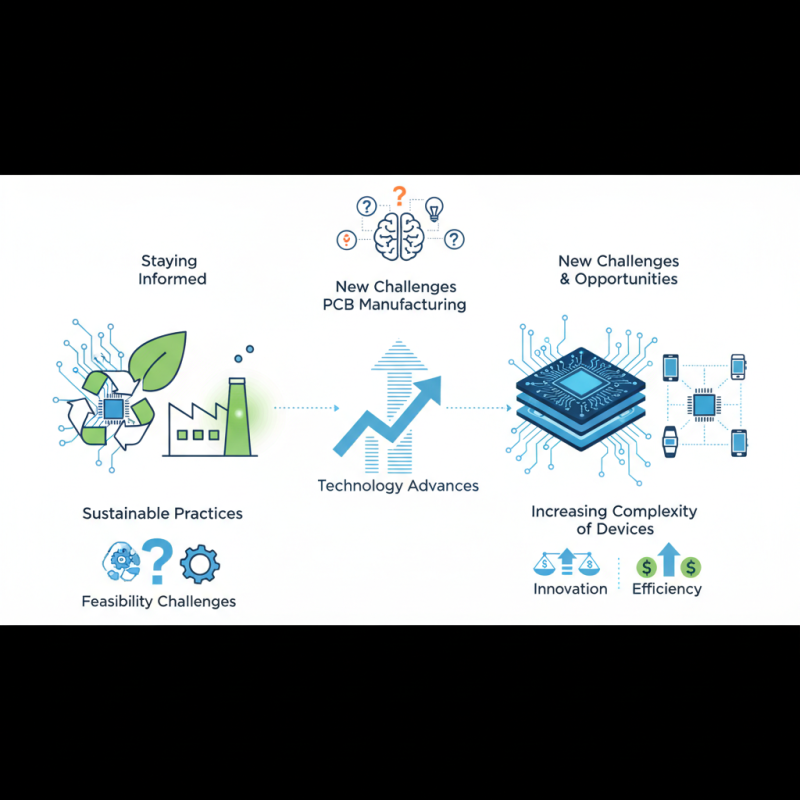
The landscape of PCB manufacturing is evolving rapidly. As technology advances, manufacturers face new challenges and opportunities. Staying informed about the latest trends is crucial for success in this competitive industry.
One significant trend is the shift towards more sustainable practices. Companies are exploring eco-friendly materials and production methods. This change benefits the environment and can improve brand reputation. However, not all manufacturers can seamlessly transition, leading to questions about long-term feasibility.
Another noteworthy development is the increasing complexity of electronic devices. As consumer demand grows, PCBs must adapt accordingly. This trend pushes manufacturers to enhance their capabilities but may result in higher costs and longer production times. The balance between innovation and efficiency remains a critical concern in the PCB manufacturing sector.
Emerging Technologies in PCB Manufacturing
Emerging technologies in PCB manufacturing are transforming the industry rapidly. One such technology is additive manufacturing, also known as 3D printing. This method allows for complex designs and structures. It can reduce waste significantly, but challenges remain in material compatibility.
Another exciting development is the use of flexible printed circuit boards (FPCBs). They offer versatility in applications, especially in wearables and IoT devices. However, manufacturing these boards can be tricky. Ensuring durability while maintaining flexibility is a continual struggle.
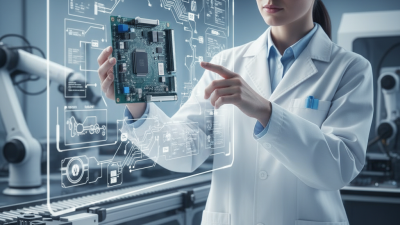
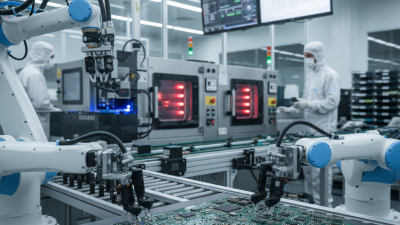
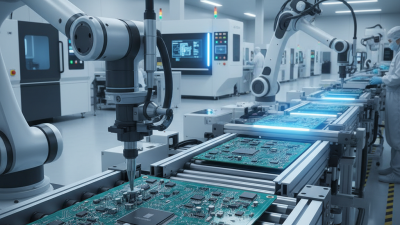
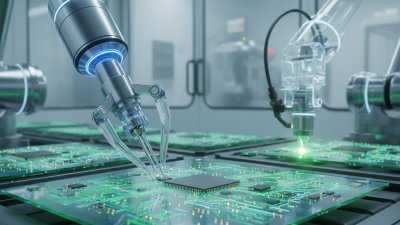
The rise of automation also impacts PCB production. Robotics streamline assembly processes and reduce errors. While automation boosts efficiency, it creates a dependency on technology. Human oversight is still crucial in the quality control phase. Balancing speed and precision remains a point of reflection for many manufacturers. These advancements present opportunities and challenges that the industry must navigate carefully.
Top PCB Manufacturing Trends You Should Know About
Emphasis on Eco-Friendly PCB Production
In recent years, the trend towards eco-friendly PCB production has gained significant momentum. Manufacturers are increasingly focusing on sustainable practices to reduce their environmental footprint. This shift is not just a passing trend; it reflects a growing awareness of resource scarcity and pollution. By using recyclable materials, companies can support a circular economy while maintaining product quality.
Implementing eco-friendly techniques often requires investment and rethinking of traditional processes. Many manufacturers face challenges in sourcing sustainable materials. There is a need for thorough research to ensure these materials meet performance standards. Additionally, transitioning to greener methods might initially seem expensive or complicated. However, the long-term benefits often outweigh these initial hurdles. It is crucial for the industry to continue exploring innovative solutions for waste reduction and energy efficiency.
As the demand for environmentally friendly products increases, some manufacturers are still hesitant. The fear of high costs and limited consumer awareness can hinder progress. It is essential for the industry to address these concerns openly. Balancing sustainability with profitability remains a key topic. The journey towards eco-friendly PCB production requires collaboration and a willingness to adapt.
Trends in Miniaturization of Circuit Boards
The trend towards miniaturization in PCB manufacturing is reshaping the electronics industry.
Smaller circuit boards enable more compact devices. This is crucial for applications like wearables and IoT devices.
Manufacturers are pushing the limits of size while maintaining performance.
A key technique in miniaturization is using high-density interconnect (HDI) technology.
This allows for more connections in a smaller area. However, it also poses challenges in design and fabrication.
Balancing size with functionality is often difficult. Designers must carefully consider how to integrate components efficiently.
Another aspect to consider is heat dissipation. Smaller boards can trap heat, affecting performance.
Solutions often require innovative materials and designs. As the industry moves forward, finding a balance between size and efficiency remains a significant challenge.
Staying updated with the latest techniques is essential for success in PCB manufacturing.
Advancements in PCB Design Software and Tools
The rapid evolution of PCB design software and tools is transforming the manufacturing landscape. Enhanced 3D visualization capabilities allow designers to see the complete assembly in a virtual environment. This helps identify potential issues early, reducing costly errors later in the process. Advanced simulation features test performance before physical prototypes are built. This saves time and resources.
Tips: Always keep learning about new tools. You can gain an edge by understanding industry trends. Experiment with different software features. Break down complex designs into manageable parts.
Automated design rule checks are now standard. They ensure compliance with manufacturing requirements, preventing mistakes that might delay production. However, it’s essential to periodically review these automated settings. They aren’t foolproof. Designers may overlook unique project specifications due to reliance on automation.
Effective team collaboration tools are critical. They facilitate better communication among team members. However, it is vital to maintain a balance. Too much reliance on software can stifle creativity. Sometimes, traditional brainstorming can yield unexpected solutions.
Top PCB Manufacturing Trends You Should Know About?
| Trend |
Description |
Impact on Manufacturing |
Expected Growth (%) |
| Automation in PCB Design |
Increased use of automation tools to streamline the design process. |
Reduces human error and speeds up the design cycle. |
25% |
| 3D Printing for Prototyping |
Utilizing 3D printing technology to create rapid prototypes of PCBs. |
Faster iterations and reduced costs for prototype development. |
30% |
| Internet of Things (IoT) Integration |
Adapting PCBs to support IoT applications and connectivity. |
Enhances functionality and market appeal of electronic devices. |
40% |
| Sustainable Materials Usage |
Incorporating eco-friendly materials in PCB manufacturing processes. |
Positive environmental impact and potential cost savings. |
15% |
| Advanced Simulation Tools |
Utilizing software to simulate PCB performance before production. |
Reduces faulty designs and optimizes performance. |
20% |
Increasing Demand for Flexible and Rigid-Flex PCBs
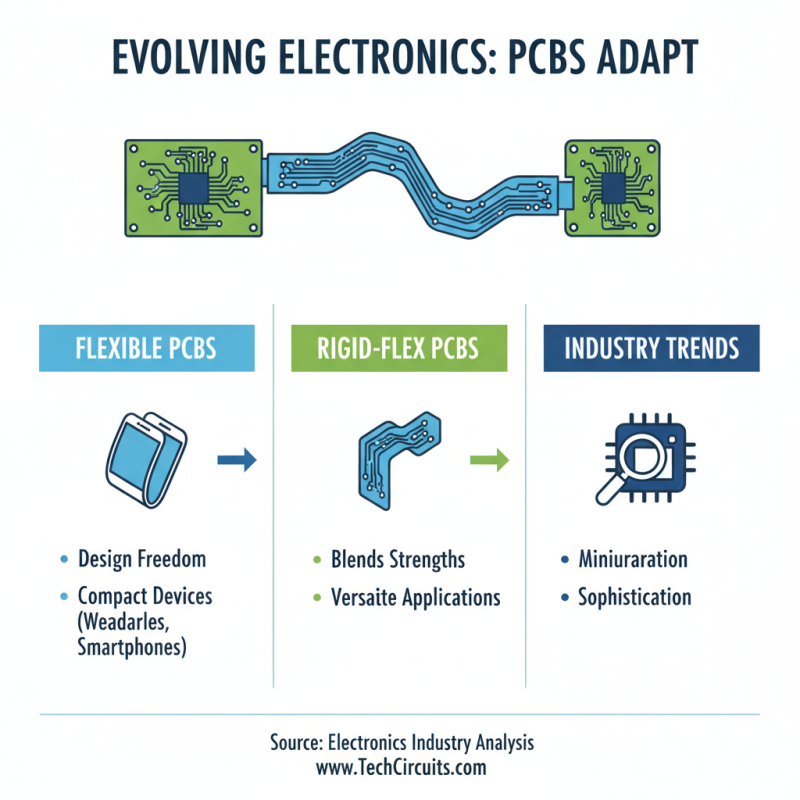
The increasing demand for flexible and rigid-flex PCBs reflects broader trends in the electronics industry. As devices become more compact and sophisticated, manufacturers seek innovative solutions. Flexible PCBs enable design freedom, allowing products to fit into tighter spaces. They are essential in wearables and smartphones. Rigid-flex PCBs blend the advantages of both rigid and flexible technologies, creating versatile applications.
Manufacturers face challenges in meeting this growing demand. Material selection is critical. Not all materials provide the flexibility needed without sacrificing performance. Additionally, production techniques need to adapt. Ensuring high-quality connections while maintaining flexibility is not straightforward. Companies often find themselves stuck in traditional methods while the market evolves.
Cost considerations also play a role. While the demand for flexible PCBs rises, their production can be expensive. Many find it hard to justify the costs versus the benefits. This leads to ongoing debates within organizations about investment priorities. Decisions often lack clarity, and the outcomes may require re-evaluation. The future of PCB manufacturing demands creativity and adaptability in addressing these complexities.