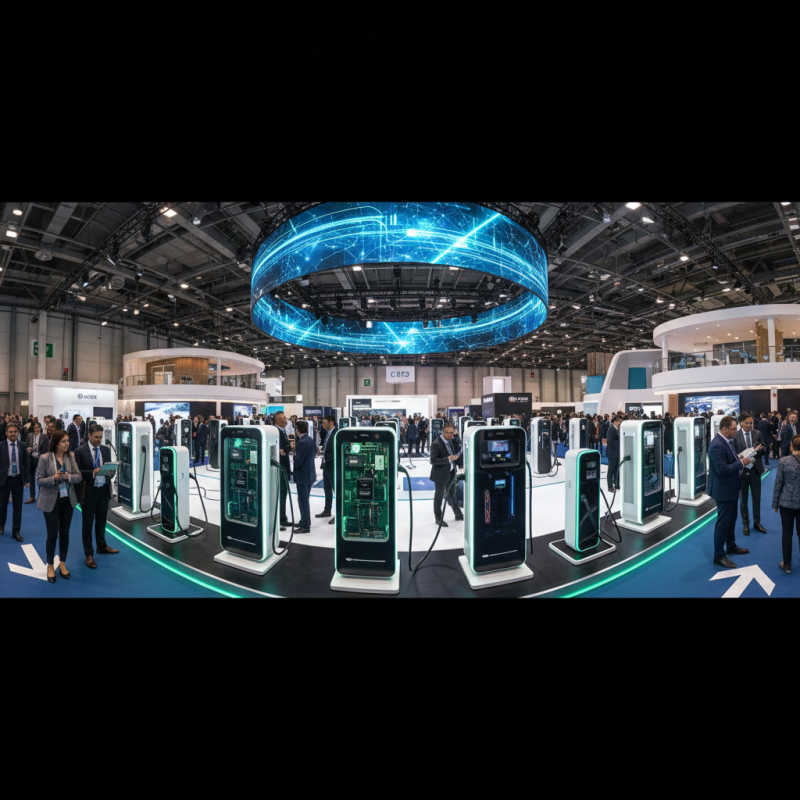
How to Source AC EV Chargers at the 2026 Canton Fair?
The 2026 Canton Fair presents a unique opportunity for sourcing AC EV Chargers. Scheduled from April 15 to May 5, this event is crucial for industry professionals. With three distinct phases, it covers advanced manufacturing and electronics—key areas for EV technology.
The integration of AI in the fair enhances the sourcing process. Buyers can swiftly identify suppliers with necessary certifications, like ISO or CE. This intelligent search feature saves time and increases efficiency in navigating the expansive 1.55 million square meters venue. The emphasis on AC EV Chargers aligns perfectly with market demand.
However, sourcing can be challenging. Not every supplier meets the required standards. Discerning genuine quality from subpar options requires diligence. Missteps could lead to poor purchasing decisions. Therefore, effective strategies and careful vetting are essential when selecting AC EV Chargers at the fair.
Understanding the 2026 Canton Fair: Key Details and Overview
The 2026 Canton Fair will serve as a pivotal occasion for sourcing AC EV chargers. This fair gathers suppliers from around the world, providing a unique opportunity to explore the latest innovations. Attendees can expect to find a diverse range of products, from standard home chargers to advanced fast charging solutions. However, navigating this vast exhibition space can be daunting.
Tips: Prioritize your visits by researching exhibitors ahead of time. Make a list of key suppliers you want to meet. This way, you won’t waste time wandering aimlessly. Don't hesitate to ask questions. Understanding product specifications can be tricky, so clarify anything that seems unclear.
Engaging with manufacturers can offer insights beyond the product displays. Some chargers might have hidden features or compatibility issues. Inquire about warranty terms and after-sales support. You may find that not all suppliers provide the same level of service. Stay vigilant about quality standards. Some products might look appealing but lack essential certifications. Taking detailed notes will help you compare options later.
How to Source AC EV Chargers at the 2026 Canton Fair?
| Feature | Details | Importance |
| Type of Charger | AC Level 2 | High demand for home charging solutions |
| Charging Capacity | 7-22 kW | Essential for efficient vehicle charging |
| Compatibility | Type 1 & Type 2 | Ensures widespread usability with different EV models |
| Smart Features | Wi-Fi, App Connectivity | Enhanced user experience and monitoring |
| Safety Standards | IEC 61851 Compliance | Critical for safe operation |
| Warranty | 3 years | Indicates reliability and support |
| Pricing Range | $500 - $1500 | Affordability compared to market standards |
| Supplier Location | China | Access to competitive manufacturing |
Identifying Reputable Suppliers of AC EV Chargers at the Fair
Identifying reputable suppliers of AC EV chargers at the 2026 Canton Fair requires a strategic approach. The EV market is booming, with a projected growth of 22% annually until 2030, according to industry reports. This surge in demand emphasizes the need for reliable suppliers. Scouting around the fair, focus on exhibitors with certifications and a history of innovation.
It's essential to engage with manufacturers directly. Ask about their production processes and quality controls. Many vendors may promise high standards, but not all deliver. Look for suppliers who are transparent and ready to share their testing processes. A reliable supplier should provide evidence of compliance with international standards.
Tips:
- Use the fair’s official directory to find exhibitors that specialize in AC EV chargers.
- Attend seminars at the fair to gain insights into the latest technology trends.
- Network with other industry professionals. They can share their experiences and recommendations.
Remember, trust is built over time. Take the time to evaluate potential partners thoroughly. Don't rush into agreements.
Evaluating Product Quality and Specifications During Your Visit
When visiting the 2026 Canton Fair to source AC EV chargers, the evaluation of product quality is crucial. Look closely at the materials used in the chargers. High-quality components ensure durability and safety. Check the building process as well. It reflects the overall product reliability. Color, finish, and texture matter too. They indicate attention to detail in manufacturing.
Specifications are equally important. Examine technical details like voltage, amperage, and compatibility. These aspects affect performance. Ask suppliers about certification standards. Compliance with local regulations is non-negotiable. A disconnect between specifications and real performance can lead to frustrations later.
Be prepared for discrepancies. Not all suppliers will provide accurate information. Some may exaggerate product capabilities. Trust but verify is key. Testing samples on-site can prevent future disappointments. The Canton Fair presents a unique opportunity. It allows for face-to-face discussions, which can yield deeper insights. Don't rush through evaluations; thoughtful analysis can pay off greatly.
Negotiating Prices and Terms with Manufacturers at the Fair
When attending the 2026 Canton Fair, negotiating prices and terms with manufacturers is crucial. Understanding the market landscape is essential. Many manufacturers offer similar products, but prices can vary significantly. Researching beforehand allows you to set a reasonable budget. Walking through the exhibition, take notes on different charger models and prices. It helps to approach several vendors to gauge price ranges.
When negotiating, be direct but respectful. Start with an introductory conversation about their products. Ask about minimum order quantities and lead times. Manufacturers appreciate serious buyers. A good strategy is to express interest but remain non-committal. Say, "I’m comparing several options." This creates leverage in negotiations.
Consider the terms beyond price. An effective deal may include warranties or support services. Some manufacturers offer flexible payment options, which can ease your budget. It’s essential to review contract details carefully. Terms can sometimes be unclear. Avoid rushing to sign anything. Take time to reflect on your discussions before committing to a deal.
Ensuring Compliance with Regulations for AC EV Chargers Importation
When considering the importation of AC EV chargers, compliance with regulations is crucial. These chargers must meet specific standards, varying by region. This can be a complex process. Regulations change frequently, and knowing them is vital. Engaging a compliance expert can be beneficial.
Documentation is often a hurdle. Importers need to prepare various certificates and reports. These may include safety compliance and environmental impact assessments. Submission processes can be lengthy and require attention to detail. Missing a single document can lead to delays.
Understanding customs regulations is equally important. Each region has unique rules regarding duties and tariffs. Not being aware could increase costs unexpectedly. It can also lead to delays at the port of entry. Regularly updated databases and guides can help keep track of these changes. Always double-check sources for the latest information. Take the time to review processes carefully; it saves issues later.