Essential Tips for Using an Isolation Switch Effectively?
Isolation Switches play a critical role in electrical systems. They are key to ensuring safety during maintenance. Expert John Smith, an electrical engineer, states, “An effective isolation switch can prevent hazardous situations.”
Using an isolation switch effectively requires understanding its purpose. It isolates circuits to protect workers. However, many users neglect this vital aspect. Common mistakes include improper usage or skipping maintenance checks. These oversights can lead to dangerous outcomes.
To maximize safety, always test the isolation switch before starting work. It’s important to ensure it functions correctly. Regular training for staff is also essential. Each member should understand its role and operation. An effective isolation switch can save lives when used properly. Reflecting on its importance is not just beneficial; it is essential.
Understanding the Purpose of an Isolation Switch
An isolation switch serves a crucial purpose in electrical systems. It is designed to ensure safety during maintenance and repair. By isolating electrical circuits, the switch prevents accidental activation. This mechanism is vital for protecting personnel working on live equipment. However, not everyone understands how to use it effectively.
Understanding the isolation switch’s function is essential. It should be easily accessible and marked clearly. Make sure there is adequate training for all users. Without proper knowledge, a worker might overlook its importance. It's easy to forget about these devices until an emergency arises. Regular checks can help in identifying any faults.
Remember, an isolation switch should be part of a routine safety audit. Neglecting this task can lead to dangerous situations. It's important to reflect on how often you use it. Are you relying on it to minimize risks? Ensure every team member knows its purpose. Ignoring this can result in severe consequences. Safety should always remain a priority.
Identifying Different Types of Isolation Switches
Isolation switches play a crucial role in ensuring safety during maintenance and repairs. Recognizing the various types can enhance their use. The most common types include rotary switches, pull switches, and knife switches. Each type has its distinct design and functionality, catering to different applications.
Rotary switches are versatile, often found in residential settings. They allow for easy disconnection of power with a simple turn. Pull switches, on the other hand, are more often seen in industrial environments. They require a physical pull to engage or disengage, creating a more tactile experience. Knife switches are typically used in high-voltage applications. Their robust design makes them suitable for large electrical systems, but they can be intimidating for inexperienced users.
While using these switches, it's easy to overlook critical details. Always ensure the switch is fully engaged before assuming the circuit is off. Many accidents occur due to this oversight. Plus, neglecting to regularly test and maintain these switches can lead to unexpected failures. There is always room for improvement in ensuring safety protocols are robust and effective.
Essential Tips for Using an Isolation Switch Effectively
Step-by-Step Guide to Proper Installation
Installing an isolation switch is crucial for electrical safety. Start by choosing the right location. Ensure it’s easily accessible. This helps during emergencies. Avoid areas prone to water or extreme heat. These factors can affect performance.
Next, turn off the main power supply. Confirm that there is no current flowing through the wires. Use a voltage tester to check the power. This step is essential for safety. Wrongly assuming the power is off can lead to accidents. Connect the wires securely to the switch. Double-check the connections to avoid loose ends.
After wiring, mount the switch on the wall. Ensure it is sturdy and easy to reach. Once installed, turn the power back on cautiously. Test the switch multiple times to confirm its functionality. Sometimes, issues can emerge after installation. If the switch doesn’t work, re-evaluate your connections. Remember, safety should never be compromised. Stay vigilant and proactive in ensuring everything functions correctly.
Best Practices for Regular Maintenance and Testing
Regular maintenance and testing of isolation switches are crucial for safe operations. These devices prevent electrical overloads and improve overall safety. To start, schedule maintenance checks at least twice a year. This frequency allows any potential issues to be caught early. Visual inspections are a key part of this process. Look for signs of wear, corrosion, or any physical damage. These indicators can help identify problems before they escalate.
During testing, ensure that switches operate as intended. A simple functionality test can reveal a lot. Operate the switch multiple times while observing any unusual sounds or resistance. If something feels off, further investigation is necessary. This might seem inconvenient, but it’s essential to catch small issues before they cause larger failures.
Don’t forget to document all maintenance and testing activities. Keeping a detailed log helps track the condition over time. It can highlight patterns and alert you to recurring problems. Neglecting this aspect might lead to overlooking critical maintenance needs. In time, you may find yourself dealing with more serious issues that could have been avoided.
Safety Precautions When Operating an Isolation Switch
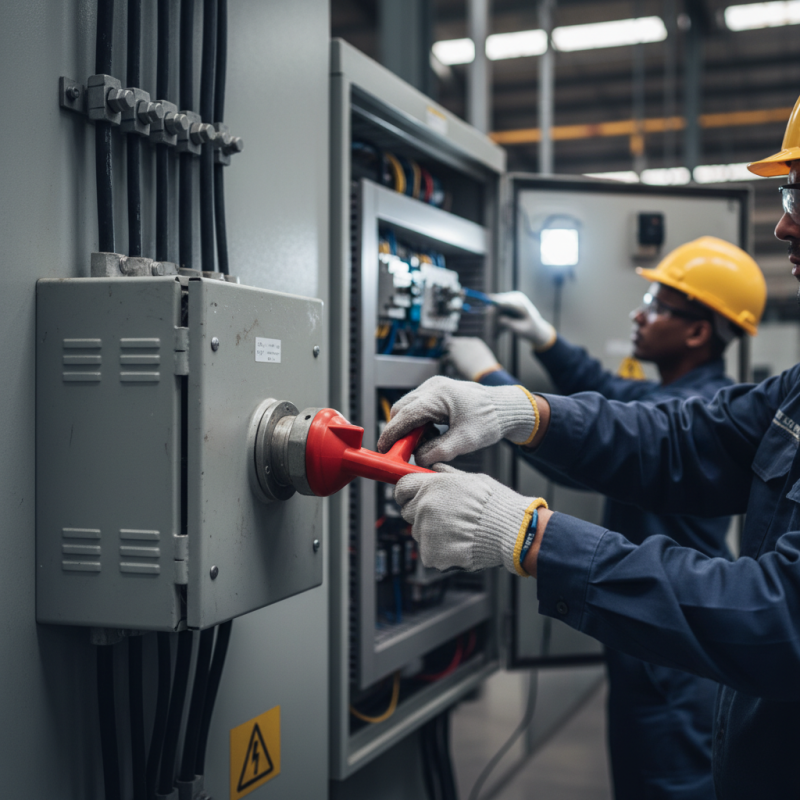
Operating an isolation switch effectively involves understanding key safety precautions. Always wear appropriate personal protective equipment. This includes gloves and goggles to shield against potential hazards. Before proceeding, ensure the area is clear of any unnecessary personnel. Isolation switches are powerful tools, but they can be dangerous.
Check the switch for visible signs of wear or damage. A frayed cable or a cracked casing can lead to serious accidents. When activating the switch, do so smoothly and firmly. Avoid jerky motions. It’s easy to overlook routine inspections, yet they are vital for safe operations. Regular maintenance can prevent malfunctions that might catch you off guard.
After using the switch, double-check that it is in the correct position. Always confirm that it has successfully isolated the circuit. Sometimes, people assume it’s done, but that can be risky. Remember to document your procedures and any issues encountered. This helps in creating a safer work environment for everyone. Safety is not just a checklist; it's a mindset that requires ongoing attention.
Essential Tips for Using an Isolation Switch Effectively - Safety Precautions When Operating an Isolation Switch
| Tip | Description | Safety Precaution |
| Understand the Function | Know how the isolation switch operates and its role in circuit protection. | Ensure you are trained before operating the switch. |
| Labeling | Clearly label all isolation switches for easy identification. | Use standardized symbols for clarity. |
| Regular Maintenance | Schedule regular checks to ensure functionality. | Inspect for wear and tear, and replace components as needed. |
| Emergency Access | Ensure isolation switches are accessible in emergencies. | Avoid obstructions around the switch area. |
| Follow Lockout/Tagout Procedures | Use proper lockout/tagout protocols before performing maintenance. | Always verify that the energy source is off before servicing. |