
Rigid-flex boards now sit where compact design meets unforgiving reliability. They combine rigid sections with flexible circuits, reducing connectors, wiring, and assembly space. This matters in medical devices, aerospace controls, automotive electronics, and portable equipment. The global PCB industry is already substantial. Prismark’s 2024 PCB industry review valued worldwide PCB production at approximately 70 billion U.S. dollars in 2023. Its analysis also indicates continued demand for higher-density and advanced interconnection technologies.
The market direction is visible in other professional research. MarketsandMarkets identifies flexible electronics as a growing sector, supported by wearables, electric vehicles, healthcare equipment, and connected devices. IPC’s standards, including IPC-6013 and IPC-A-600, provide practical benchmarks for flexible and rigid-flex circuit quality. However, market reports use different definitions and sampling methods. Their estimates should not be treated as identical facts.
This guide examines the Top 10 Rigid Flex Board Manufacturers Worldwide through measurable capabilities. These include layer counts, minimum bend radius, material selection, impedance control, surface finish, and production scale. Certifications also matter. ISO 9001, IATF 16949, AS9100, and medical quality systems can reveal process discipline. Factory photographs may show cleanrooms, automated optical inspection, and carefully controlled lamination areas. Real reliability evidence matters more.
No ranking is perfect. Public information can be incomplete, outdated, or promotional. Buyers should verify test reports, traceability, engineering support, and sample performance before placing volume orders. A capable rigid flex board manufacturer must do more than quote quickly. It must repeatedly deliver stable electrical, mechanical, and thermal performance.
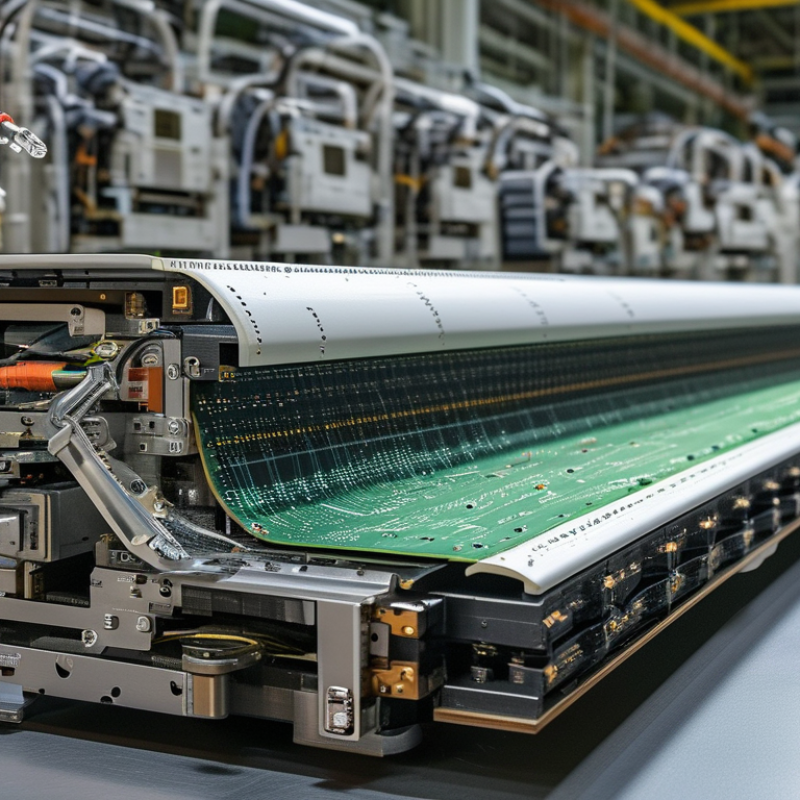
Rigid-flex circuit boards combine rigid laminate sections with flexible polyimide layers in one interconnected structure. They replace separate boards, wires, and connectors. The result is a thinner assembly with fewer failure points. It can fold around a hinge, fit inside a curved enclosure, or connect sensors across moving parts.
The role is practical. Rigid areas support components, while flexible zones absorb bending and vibration. Designers must control bend radius, copper thickness, layer registration, and impedance. IPC-2223C provides important guidance for flexible and rigid-flex constructions. MarketsandMarkets reported that the flexible electronics market could grow from about USD 29.5 billion in 2023 to USD 53.7 billion by 2028. That growth reflects demand for compact medical, automotive, aerospace, and industrial systems.
Manufacturing remains unforgiving. A sharp bend can crack copper. Poor adhesive selection can create delamination during thermal cycling. A reliable design therefore needs staged bending tests, microsection analysis, and electrical inspection. IPC’s 2023 PCB Technology Roadmap highlights miniaturization, higher interconnect density, and signal integrity as continuing industry pressures. The board may look simple. It is not.
Rigid-flex technology also demands honest engineering decisions. Dynamic bending and one-time folding are not equivalent. A laboratory prototype may pass inspection, yet fail after thousands of cycles. That gap deserves more attention. Suppliers should provide stack-up details, material data, test conditions, and traceable quality records before production approval.
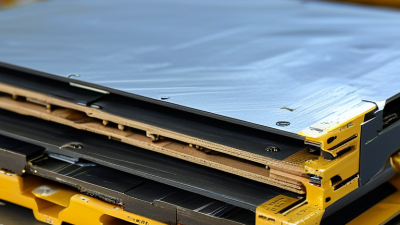
Evaluating rigid-flex manufacturers requires more than comparing prices and factory photos. Start with process evidence. Ask for cross-section reports, controlled-impedance data, bend-radius testing, and thermal-cycle results. A capable supplier should explain how copper thickness changes across rigid and flexible zones. They should also show how adhesive flow, coverlay alignment, and plated-through holes are controlled.
Production experience becomes visible during sample reviews. Inspect solder-mask edges, stiffener placement, exposed copper, and connector fit under magnification. Request traceability from raw laminate to final inspection. Automated optical inspection is useful, but it cannot replace skilled review. Ask how operators handle difficult designs, including fine-pitch components and repeated dynamic flexing. No supplier is flawless. A transparent manufacturer will discuss past defects and corrective actions without hiding behind general claims.
Quality systems deserve independent verification. Check current certifications, calibration records, environmental controls, and documented change management. Confirm whether engineering support operates in the same time zone as production. Reliable communication matters when a stack-up changes at midnight. Delivery performance should be measured through realistic lead-time records, not promises. Review prototype, low-volume, and mass-production capacity separately. A factory may excel at prototypes yet struggle with consistent output.
Cost still matters, but unusually low pricing can conceal thinner materials, weaker inspection, or limited testing. Evaluate total risk, including tooling, freight, rework, and field failure exposure. I have found that a detailed technical questionnaire reveals more than a polished presentation. Leave room for doubt. Ask what the manufacturer cannot currently guarantee.
This evaluation framework assigns a 100% combined weighting to the practical criteria commonly used when comparing global rigid-flex PCB manufacturers. Quality and reliability validation receive the highest weighting, followed by engineering capability, production scalability, delivery performance, process traceability, cost competitiveness, and sustainability compliance.
Choosing among the Top 10 Rigid-Flex Board Manufacturers Worldwide requires more than comparing online rankings. Rigid-flex circuits combine flexible films with rigid sections, supporting compact devices, cameras, medical instruments, and industrial controls. Experienced buyers examine layer accuracy, bend radius, copper thickness, and connector alignment. During supplier reviews, request sample panels and inspect vias under magnification. Small registration errors can become serious failures after repeated bending.
Manufacturing evidence matters. Look for documented quality systems, controlled impedance testing, thermal cycling, and traceable material records. A reliable manufacturer should explain its inspection process without hiding behind technical language. Ask about prototype lead times, engineering support, and production capacity. These details reveal practical experience better than impressive claims. Yet no supplier is perfect. One facility may offer excellent prototypes but struggle with high-volume scheduling. Another may deliver quickly but provide limited design feedback. Careful comparison prevents expensive assumptions.
Tips: Share your stack-up early. Include bend zones, component weights, operating temperatures, and expected flex cycles. Request a design-for-manufacturing review before ordering tools. Check whether test reports match your actual board construction. Keep written approval records. A forgotten revision can quietly create a costly mismatch. When possible, evaluate samples from different production lots, not just one successful batch.
Top 10 Rigid Flex Board Manufacturers Worldwide
Manufacturing Capabilities and Industry Applications
Rigid-flex board manufacturing depends on controlled transitions between rigid and flexible sections. Skilled suppliers manage copper thickness, bend radius, adhesive flow, and layer alignment during lamination. Automated optical inspection can detect registration errors, while electrical testing confirms continuity and insulation performance. Details matter.
The strongest manufacturers usually offer rapid prototyping, high-volume production, and engineering support under one process system. They may handle fine-pitch components, laser-drilled microvias, stiffeners, shielding films, and customized surface finishes. However, capacity alone proves little. A factory with advanced equipment may still struggle with yield consistency or documentation accuracy.
These boards support compact medical instruments, vehicle control modules, industrial sensors, aerospace equipment, and wearable electronics. Their folded structure reduces connectors and saves valuable space inside narrow housings. In vehicle applications, dynamic bending requires careful fatigue testing. Medical devices demand clean production and traceable materials. Aerospace designs often require strict thermal and vibration evaluation.
No ranking is perfect. A supplier may excel at prototypes but lack stable mass production. Another may offer excellent yield but limited design guidance. I would review cross-section reports, first-article data, bend-cycle results, and corrective-action records before approving a manufacturer. One overlooked detail can affect field reliability. That gap matters.
| Rank | Manufacturer Profile | Primary Region | Rigid-Flex Capability | Typical Layer Range | Advanced Technologies | Key Materials | Main Industry Applications | Quality & Compliance | Production Strength |
|---|---|---|---|---|---|---|---|---|---|
| 1 | Manufacturer Profile A | East Asia | High-volume rigid-flex and multilayer flex-rigid production | 2–20 layers | HDI, laser microvias, sequential lamination, fine-line routing, controlled impedance | Polyimide, FR-4, low-loss laminates, copper foil | Consumer electronics, mobile devices, automotive electronics, telecom equipment | ISO 9001, ISO 14001, IATF 16949, UL-recognized processes | Strong automation, rapid volume ramp-up, global supply support |
| 2 | Manufacturer Profile B | North America | Complex rigid-flex assemblies for high-reliability programs | 4–24 layers | Rigid-flex cavities, back drilling, via-in-pad, laser drilling, thermal management | Polyimide, high-Tg FR-4, PTFE and other low-loss materials | Aerospace, defense, medical equipment, industrial controls | AS9100, ISO 9001, ISO 13485, IPC Class 3 capability | Strong engineering support, prototype-to-production continuity |
| 3 | Manufacturer Profile C | East Asia | Fine-pitch rigid-flex boards for compact electronic products | 2–16 layers | Micro-BGA support, fine-line circuitry, dynamic-bend flex, surface-mount assembly | Polyimide, adhesiveless flex materials, FR-4, stiffeners | Wearables, smartphones, cameras, portable medical devices | ISO 9001, ISO 14001, IATF 16949, RoHS and REACH controls | High-density production, short cycle times, strong yield control |
| 4 | Manufacturer Profile D | Europe | Automotive-grade rigid-flex and high-reliability circuit production | 2–18 layers | Heavy copper, impedance control, thermal vias, automated optical inspection | High-Tg FR-4, polyimide, halogen-free laminates, copper-inlay materials | Electric vehicles, driver-assistance systems, power electronics, factory automation | IATF 16949, ISO 9001, ISO 14001, PPAP-oriented quality systems | Automotive traceability, process documentation, regional technical support |
| 5 | Manufacturer Profile E | East Asia | Multilayer rigid-flex boards with advanced interconnection structures | 4–26 layers | Any-layer HDI, stacked microvias, via filling, thin-core lamination | Polyimide, low-Dk laminates, high-frequency materials, FR-4 | 5G infrastructure, networking hardware, servers, high-speed computing | ISO 9001, ISO 14001, UL, RoHS and REACH compliance programs | High layer-count capability, advanced materials processing, volume flexibility |
| 6 | Manufacturer Profile F | North America | Low-volume and medium-volume precision rigid-flex production | 2–20 layers | Rigid-flex prototypes, controlled-depth routing, impedance testing, design-for-manufacturing review | Polyimide, FR-4, high-frequency laminates, flexible copper-clad materials | Defense electronics, test instrumentation, robotics, specialized medical systems | AS9100, ISO 9001, IPC Class 2 and Class 3 production controls | Fast engineering iterations, domestic sourcing options, complex-order expertise |
| 7 | Manufacturer Profile G | Southeast Asia | Scalable rigid-flex manufacturing for consumer and automotive programs | 2–18 layers | Sequential build-up, laser direct imaging, automated electrical testing, selective stiffeners | Polyimide, FR-4, halogen-free materials, coverlay and bondply systems | Automotive sensors, consumer devices, industrial equipment, smart appliances | ISO 9001, IATF 16949, ISO 14001, environmental substance controls | Competitive production economics, export capability, flexible capacity planning |
| 8 | Manufacturer Profile H | Europe | Specialized rigid-flex solutions for medical and industrial reliability | 2–14 layers | Fine-pitch assembly, flex forming, embedded components, reliability testing | Medical-grade polyimide, FR-4, halogen-free laminates, biocompatible encapsulation materials | Medical instruments, laboratory equipment, industrial sensors, measurement systems | ISO 13485, ISO 9001, ISO 14001, documented process validation | Traceable production, high-mix manufacturing, application-specific engineering |
| 9 | Manufacturer Profile I | South Asia | Prototype, quick-turn, and small-batch rigid-flex manufacturing | 2–12 layers | Rapid prototyping, impedance coupons, DFM analysis, automated optical inspection | Polyimide, FR-4, flexible copper-clad laminates, standard high-Tg materials | Start-up hardware, industrial controls, educational equipment, IoT devices | ISO 9001, IPC workmanship standards, RoHS and REACH process controls | Short prototype lead times, design support, low minimum order quantities |
| 10 | Manufacturer Profile J | East Asia | Flexible and rigid-flex circuits for specialized electronics and connectivity | 2–16 layers | High-speed signal integrity, dynamic flex testing, fine-line etching, selective plating | Polyimide, LCP, low-loss laminates, FR-4, rolled-annealed copper | Telecommunications, aerospace components, automotive modules, consumer electronics | ISO 9001, ISO 14001, IATF 16949, UL and restricted-substance compliance | Broad material portfolio, high-mix capability, international logistics support |
Selecting a rigid-flex board manufacturer requires more than comparing unit prices. Examine their experience with your layer count, bend radius, copper thickness, and thermal requirements. Ask for sample cross-sections and impedance reports. Real evidence matters.
Review the manufacturer’s engineering process before approving a design. Can their team identify stress points near vias, stiffeners, and connector areas? Request design-for-manufacturing feedback during the prototype stage. Early corrections usually cost less than repeated fabrication. Confirm material traceability, inspection methods, and relevant quality certifications. Check whether they perform electrical testing, microsection analysis, and flex-cycle testing in-house. Small details reveal production discipline.
Production capacity also deserves close attention. A factory may build excellent prototypes but struggle with stable volume output. Ask about historical yield, corrective-action records, and average delivery performance. Visit the facility if possible. Look at material storage, cleanliness, and operator training. Do not rely on impressive presentations alone. A polished sample can mislead. I have seen projects delayed because the buyer ignored packaging quality and moisture control. That mistake is easy to miss.
Compare quotations carefully. Confirm tooling fees, engineering charges, test coverage, minimum order limits, and replacement policies. A reliable partner explains limitations clearly instead of promising everything. Communication speed is useful, but technical accuracy matters more. Choose a manufacturer that documents decisions, reports defects honestly, and supports design changes without confusion. Your evaluation may still contain uncertain assumptions. Record them, test them, and revise the supplier shortlist when evidence changes.