What are the Top Circuit Board Trends for 2026?
As we look ahead to 2026, the world of circuit boards is evolving rapidly. Innovations are driving trends that will shape technology. While many advancements promise efficiency, some raise concerns about sustainability and security.
One key trend is the miniaturization of circuit boards. Makers are pushing for smaller and more powerful designs. This trend maximizes space but can complicate repairs. Often, smaller boards can lead to overheating and performance issues. Another emerging focus is the use of flexible materials. These allow circuit boards to be bent and molded into new shapes. While this opens creative possibilities, it also increases manufacturing challenges.
Finally, connected devices are evolving. The Internet of Things (IoT) relies heavily on circuit boards. As more devices connect, we must consider their security. Data breaches pose real threats. Addressing these vulnerabilities will be crucial as we innovate. The future of circuit boards is bright, but reflection on these challenges is essential.
Emerging Materials Shaping Circuit Board Innovations in 2026
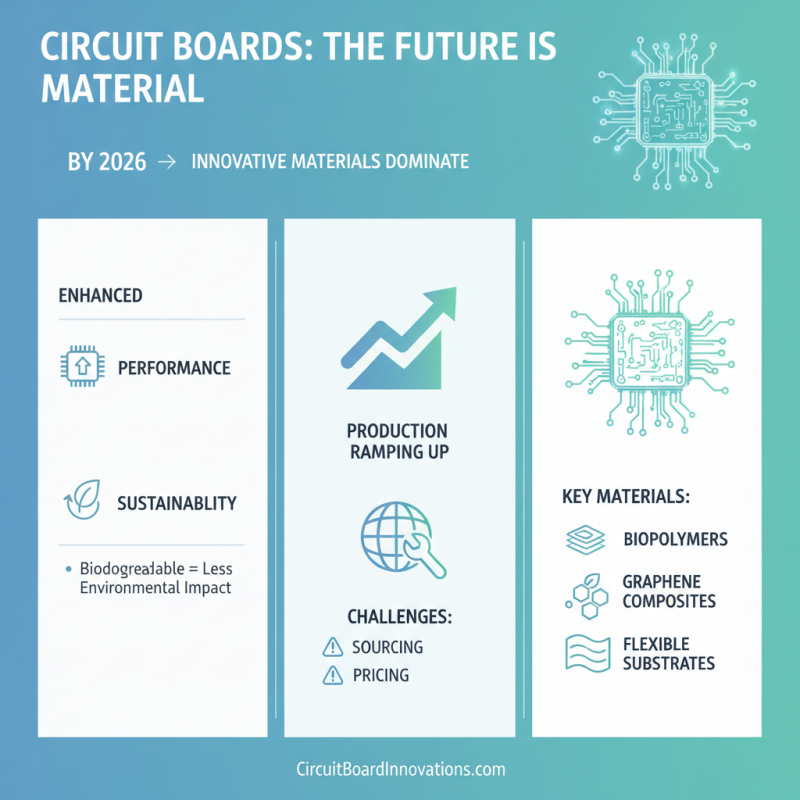
Emerging materials are crucial for the future of circuit boards. By 2026, innovative materials will dominate the industry. These advancements promise enhanced performance and sustainability. For example, biodegradable materials will reduce environmental impact. As production ramps up, challenges in sourcing and pricing may arise.
Flexible substrates are gaining traction as well. They enable new designs and compact electronics. However, integrating these materials with traditional methods might pose difficulties. Engineers will need to adapt to new processing techniques. This transition demands time and investment.
Another trend is the use of nanomaterials. Their unique properties can significantly improve circuit board efficiency. Yet, the complexity of working with nanoscale materials can be daunting. Developing reliable methods for their implementation will be important. As we explore these advancements, we must remain cautious and open to learning from setbacks.
Advancements in Circuit Board Manufacturing Technologies by 2026
Advancements in circuit board manufacturing are rapidly evolving. By 2026, several key trends are expected to reshape this industry. Emerging technologies like additive manufacturing will enhance flexibility. This method allows for complex designs and reduces material waste. Reports indicate that the global printed circuit board market is projected to reach over $85 billion by mid-decade.
Investments in automated processes will boost efficiency. Automation reduces human error and speeds up production. However, companies may face challenges in integrating these technologies smoothly. Training staff to adapt can be a hurdle. Data from industry surveys suggest that 50% of manufacturers are already prioritizing workforce upskilling.
Tips: Start small with automation projects. Test them in limited areas before a full rollout. Of course, be prepared for unexpected setbacks. Emphasizing sustainability is another critical area. Eco-friendly materials are becoming a priority. Manufacturers are exploring bio-based materials as alternatives. Yet, these new materials often come with higher costs. The transition can be tricky. Balancing innovation with budget constraints requires thoughtful planning.
Top Circuit Board Trends for 2026
| Trend |
Description |
Expected Impact |
Adoption Rate (%) |
| Flexible Circuit Boards |
Increasing demand for flexible and lightweight designs in consumer electronics. |
Enhanced portability and design versatility. |
60% |
| Advanced Materials |
Use of new materials like high-density interconnects for improved performance. |
Higher reliability and efficiency in high-frequency applications. |
55% |
| AI-Driven Design |
Integration of AI in the PCB design process for optimization. |
Reduced design time and improved accuracy. |
40% |
| Sustainability Practices |
Focus on eco-friendly materials and processes in PCB manufacturing. |
Lower environmental impact and compliance with regulations. |
50% |
| Miniaturization |
Continued trend towards smaller, more compact electronic devices. |
Increased demand for space-saving solutions in various industries. |
65% |
The Role of Miniaturization in Future Circuit Board Designs
As we look toward 2026, miniaturization stands out as a key trend in circuit board design. The push for smaller, lighter devices drives innovations in this field. A recent industry report suggests that miniaturization could reduce the size of circuit boards by nearly 30%. This change is crucial for integrating advanced technology into compact consumer electronics.
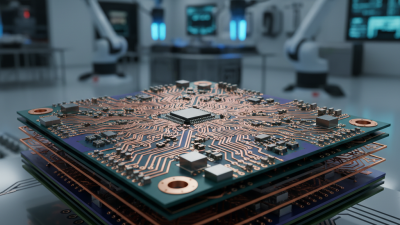
Smaller circuit boards mean more efficient use of space. Design complexities increase, leading to the development of new materials and manufacturing methods. Layered circuit boards and flexible substrates will play an integral role in maximizing space. However, with these advancements, the need for careful thermal management intensifies. Heat can accumulate more easily in tiny spaces, presenting challenges for reliability.
Tip: When planning circuit board designs, consider thermal dynamics early in the process. Regular testing during stages helps optimize performance and longevity. As components shrink, maintaining signal integrity also becomes challenging. Strong design processes can mitigate potential pitfalls. Investing in simulation tools for early-stage design can guide better outcomes.
Sustainability Trends Driving Circuit Board Development in 2026
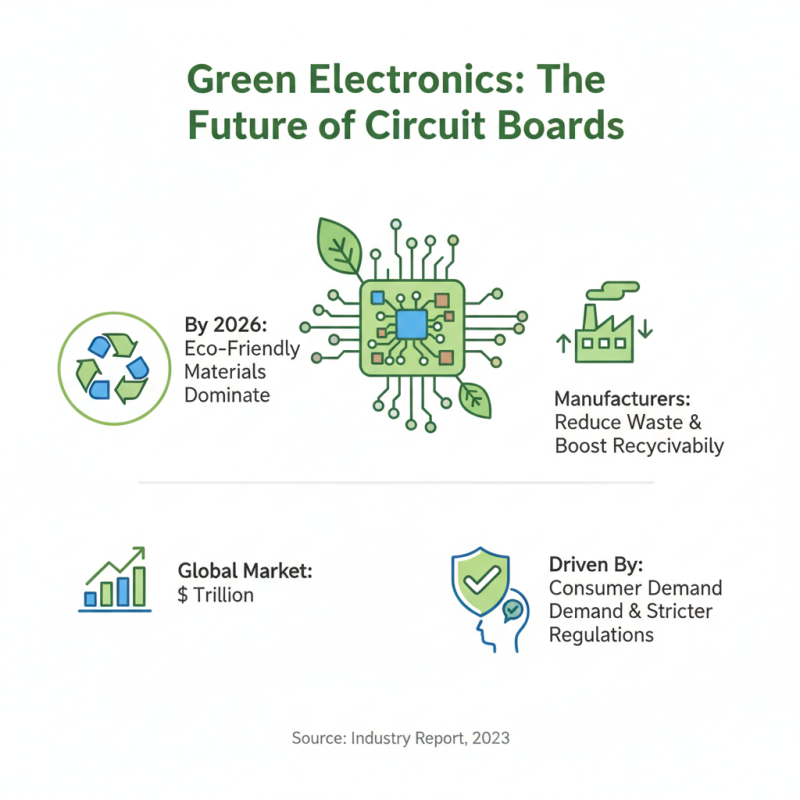
Sustainability is reshaping the future of circuit boards. By 2026, eco-friendly materials will dominate this industry. The global market for green electronics is projected to reach $1 trillion. Manufacturers are seeking ways to reduce waste and improve recyclability. This shift is driven by rising consumer awareness and stricter regulations.
A major trend is the use of biodegradable substrates. These materials can decompose naturally, reducing environmental impact. Additionally, many companies are exploring closed-loop practices. This means reusing materials from old circuit boards in new products. It’s a challenging transition but vital for sustainability.
Tips: Consider alternative materials for circuit board designs. Focus on renewable resources. Moreover, stay updated with industry standards. Embracing these changes may seem daunting. But, they are essential for a sustainable future. Remember, every step counts. Small changes lead towards significant impacts.
Integration of AI and IoT in Circuit Board Functionality for 2026
The integration of AI and IoT into circuit board functionality is set to transform the industry by 2026. Smart devices will use these advanced technologies to enhance interaction and efficiency. Imagine circuit boards capable of real-time data processing. They will communicate seamlessly with multiple devices. This capability will lead to faster decision-making processes.
However, this trend may bring challenges. Not all circuit boards are ready for such integration. Limited resource availability can lead to delays. The complexity of integrating AI may overwhelm some manufacturers. Designers must ensure compatibility without sacrificing performance. These hurdles may slow down the adoption of smart technologies.
The future depends on collaboration among engineers and developers. Learning from current shortcomings is essential. Streamlined processes can maximize efficiency. Achieving full integration requires ongoing effort and innovation. Embracing these complexities will pave the way for groundbreaking advancements in electronic design.
Top Circuit Board Trends for 2026
This chart illustrates the projected growth of various trends in circuit board technology for 2026, highlighting the integration of AI and IoT functionalities.