
What Are the 2026 Best Door Cabinet Hinges?

Choosing the best Door Cabinet Hinges in 2026 requires more than comparing prices or polished product photos. A hinge works quietly behind every opening, closing, alignment, and adjustment. Grand View Research’s cabinet hardware market analysis identifies renovation activity, modular kitchens, and improved storage systems as major demand drivers. Mordor Intelligence also points to durable, corrosion-resistant hardware as a continuing purchasing priority. These findings matter at the workshop level. A soft-close hinge must survive repeated cycles, maintain a consistent gap, and remain adjustable after installation.

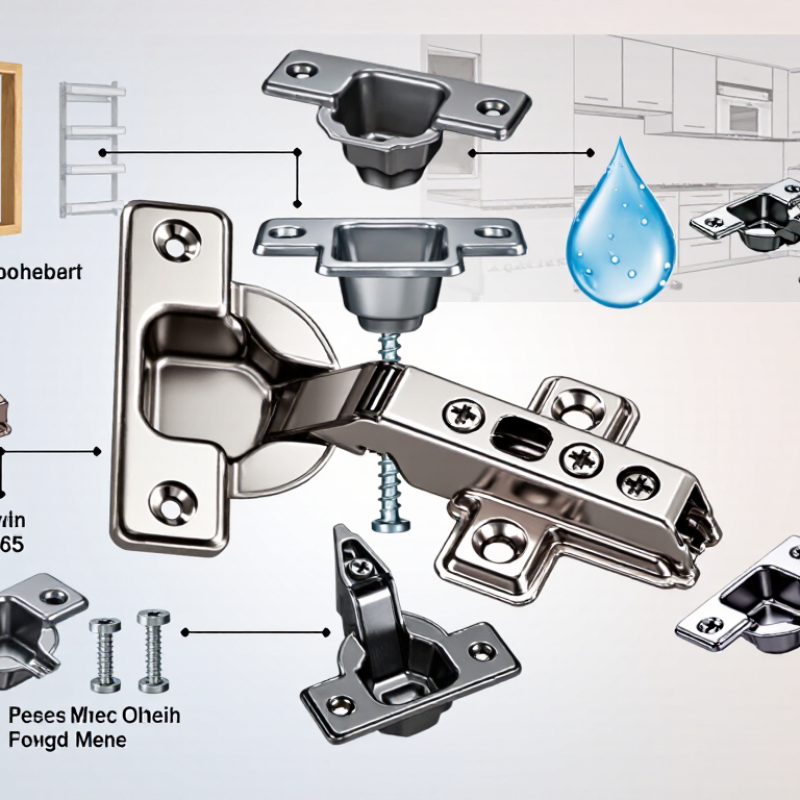
Cabinet hardware educator Gary Katz has described the hinge as “the small mechanism that makes the entire cabinet feel right.” The wording is simple. The principle is not. A 110-degree concealed hinge may suit a standard face-frame cabinet, while a 165-degree model can improve access beside a corner unit. Full-overlay, half-overlay, and inset doors also require different mounting geometry. Blum, Hettich, and Salice remain influential reference points, but brand reputation cannot replace testing. Cabinet weight, door thickness, cup depth, screw quality, and humidity all change results.

There is no universal winner. That deserves more attention. A hinge that performs smoothly in a showroom may loosen on a heavily used pantry door. Industry reports provide useful market direction, yet they rarely measure every installation condition. This guide will compare load capacity, adjustment range, closing behavior, corrosion resistance, installation tolerance, and long-term value. The strongest choice may not be the most expensive one. It should be the hinge that stays aligned when real kitchens become busy, warm, and imperfect.
What Are the 2026 Best Door Cabinet Hinges?

What Defines the Best Door Cabinet Hinges in 2026?

The best door cabinet hinges in 2026 are defined by quiet movement, accurate alignment, and dependable strength. A well-made hinge should support the door without sagging after repeated daily use. In practical installations, soft-closing performance matters more than impressive packaging. The door should slow gently, without bouncing or slamming against the frame.

Material choice remains important. Corrosion-resistant steel suits kitchens, bathrooms, and humid laundry areas. A stable adjustment system helps installers correct uneven gaps during fitting. Three-way adjustment is especially useful when cabinet boxes are not perfectly square. That happens often. Reliable hinges also need clear load ratings, tested cycle information, and instructions written for real users. Vague specifications should raise questions.

Fit is not universal. Door thickness, overlay distance, frame style, and drilling position must match the hinge design. Measuring these details prevents costly replacements. I have found that a slightly cheaper hinge can become expensive when screws loosen or alignment drifts. Still, maximum price does not guarantee maximum performance. This is where careful testing matters. Open and close the door repeatedly, inspect the mounting plates, and listen for unusual clicks. A minor weakness may appear only after weeks of use. The best choice balances durability, adjustability, installation time, and repairability rather than chasing one impressive feature.

Which Cabinet Hinge Types Suit Different Door Designs?

What Are the 2026 Best Door Cabinet Hinges?

The best cabinet hinge depends on the door design, overlay, weight, and opening angle. Full-overlay doors usually suit concealed hinges with adjustable mounting plates. They create clean lines across modern kitchens. Inset doors need hinges designed for precise alignment inside the cabinet frame. Even a small measurement error can leave uneven gaps.

For thick or heavy wooden doors, choose reinforced concealed hinges or durable surface-mounted hinges. These options provide stronger support and reduce door sagging. Frameless cabinets often work well with European-style hinges. Face-frame cabinets may require special adapters or compact hinges.

Glass doors need hinges made for glass panels, with soft pads that prevent cracks. A pivot hinge can suit tall display doors, especially when a wide opening is useful. However, it may need more careful installation.

Tips: Measure the door overlay before buying. Check the door thickness and cabinet construction. Soft-close hinges are useful in busy kitchens because they reduce slamming. Test the hinge with a sample door if possible. I have seen attractive hinges fail because the screw holes were placed too close to the edge. That mistake is easy to overlook. Recheck alignment after several openings, since wood can shift with humidity. Choose corrosion-resistant materials near sinks or laundry areas.

How to Compare Hinge Materials, Features, and Load Capacity

What Are the 2026 Best Door Cabinet Hinges?

How to Compare Hinge Materials, Features, and Load Capacity

In 2026, the best door cabinet hinge is not simply the strongest one. Material, adjustment, testing, and load capacity must match the door’s actual use. Steel hinges usually offer dependable strength for everyday cabinets. Stainless steel suits humid kitchens and laundry rooms because it resists corrosion more effectively. Zinc alloy can provide smooth shaping and a clean appearance, but its performance depends heavily on thickness and construction. Brass looks warm and traditional, although it may not suit heavy doors without suitable reinforcement.

Appearance matters, but screw holding matters more. That is easy to forget. Look for three-way adjustment when doors need precise alignment after installation. Soft-close mechanisms reduce slamming, protect cabinet edges, and make frequent use quieter. Clip-on designs can simplify removal, while integrated overlays help maintain even gaps across a cabinet row. However, extra features may add weight and create more parts that could wear over time.

A hinge rating is meaningful only when its testing method is clear. Check whether the stated capacity applies to one hinge, a pair, or the complete door system. Door weight, width, material density, screw quality, and hinge quantity all affect real performance. Heavy wooden doors may need additional hinges and stronger mounting plates. Do not rely on estimates alone. Compare documented cycle testing and relevant furniture-hardware standards. In practical fitting work, a small door often exposes poor alignment quickly. I once treated adjustment as a minor detail; that decision created uneven gaps and repeated readjustment. Load capacity deserves the same careful review.

What Installation Factors Affect Cabinet Hinge Performance?

What Are the 2026 Best Door Cabinet Hinges?

The best cabinet hinge can still perform poorly after careless installation. Door weight, overlay size, and cabinet construction must match the hinge design. A full-overlay door needs different positioning from an inset door. Even a few millimeters can create uneven gaps or rubbing. Measure the door thickness and cup position before drilling. Do not rely on appearance alone.

Accurate screw alignment affects stability over time. Mark pilot holes carefully, especially in particleboard or thin cabinet panels. A tilted screw can pull the hinge plate out of position. Tighten firmly, but avoid crushing the material. Excessive force is a common mistake.

Door clearance also matters near adjacent doors, drawers, and wall surfaces. In humid rooms, small movement may change the gap, so adjustable hinges provide practical control. I have learned to check alignment with the door partly open, not only when it is closed.

Tips: Support heavy doors during installation. Use a level and a sharp drill bit. Test the opening angle before final tightening. Adjust height, depth, and side position gradually. If the door still drops, inspect the mounting surface before blaming the hinge. That extra check often reveals the real problem.

How to Choose the Right Door Cabinet Hinges for Your Project

What Are the 2026 Best Door Cabinet Hinges?

How to Choose the Right Door Cabinet Hinges for Your Project

The best door cabinet hinge depends on door weight, overlay, opening angle, and daily use. Soft-close hinges remain practical for kitchens, bathrooms, and busy utility rooms. A 2024 U.S. Kitchen Trends Study reported that roughly three-quarters of renovating homeowners upgraded cabinet hardware. That demand reflects a clear preference for smoother, quieter storage.

Measure the door before choosing a hinge. Full-overlay doors need different geometry from half-overlay or inset doors. For a ¾-inch solid-wood door, use a hinge rated above its actual weight. Allow extra capacity for frequent use. A 110-degree hinge suits most cabinets, while a 155-degree model improves access in corner units. European cabinet hardware testing commonly follows ANSI/BHMA A156.9 performance requirements. Check those ratings when available. They are more useful than vague “heavy-duty” wording.

Tips: Test one hinge on a sample door first. Check the closing speed, cup depth, screw grip, and adjustment range. Stainless steel helps in humid rooms, but coating quality still matters. Do not trust appearance alone. I once selected a compact hinge for a heavy pantry door; it sagged after repeated loading. That mistake showed me that installation conditions matter as much as the hinge itself. The 2025 NKBA kitchen trends report also emphasizes durable, low-maintenance features, yet real cabinet use can expose weaknesses that showroom testing misses.

Search our website