Why Are Singing Bowls Popular for Wholesale Buyers?
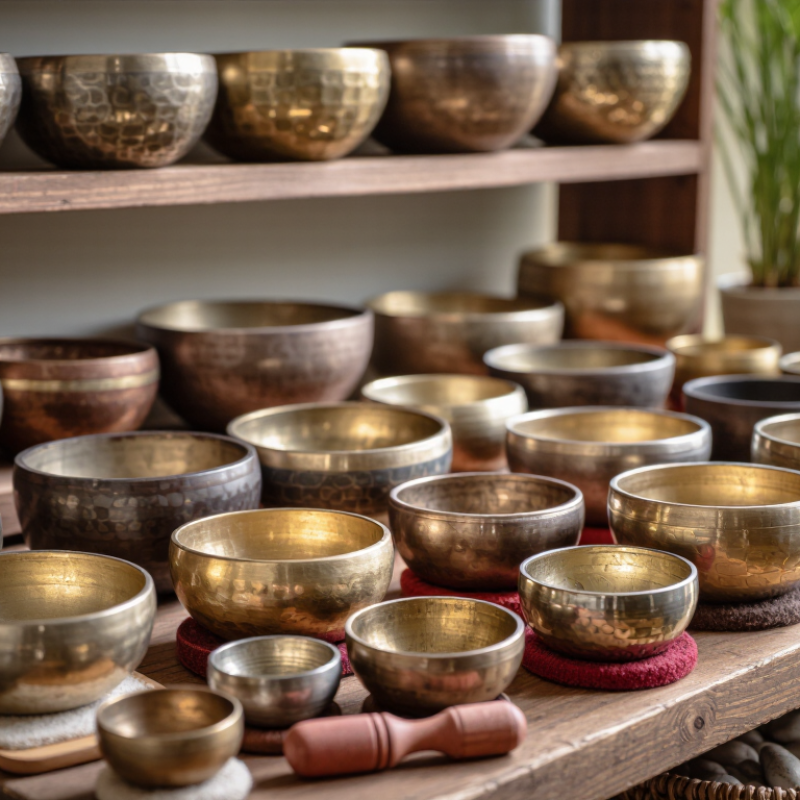
Singing Bowl products have become popular with wholesale buyers because they combine visual appeal, practical use, and strong storytelling. Retailers can display them in wellness shops, studios, gift stores, and online collections. Their rounded forms, textured surfaces, and resonant tones create an immediate sensory experience. Customers often notice the sound before reading the product description.
Wholesale demand also reflects wider interest in meditation, relaxation, yoga, and mindful home décor. However, popularity does not guarantee reliable sales. Buyers must examine bowl size, alloy composition, finish quality, sound consistency, and included accessories. A bowl that looks attractive may produce an uneven tone. That matters to experienced practitioners and informed customers.
Quality control is essential.
Professional buyers should request samples before placing large orders. They can compare pitch, sustain, surface details, packaging strength, and labeling accuracy. Clear supplier communication also supports dependable purchasing. Product photos should match the delivered goods, especially when colors and handmade textures vary. Ethical sourcing and transparent production information can strengthen brand credibility. These details help retailers build trust instead of relying only on attractive marketing.
Still, not every Singing Bowl suits every audience. Smaller bowls may work well for gifts, while larger models need stronger packaging and more shelf space. Some buyers may prefer handmade variation, while others demand consistent inventory. This difference can complicate purchasing decisions. A careful wholesale strategy considers customer expectations, price positioning, shipping risks, and after-sales feedback. The category is promising, but thoughtful selection remains more valuable than quick expansion.
What Are Singing Bowls and How Do They Work?
Singing bowls are resonant metal vessels, traditionally made from bronze or similar alloys. A mallet strikes the rim or moves around it. Friction then creates sustained tones, layered overtones, and gentle vibrations. The bowl is not producing magic. It is producing measurable sound through metal resonance and air movement.
This simple mechanism explains part of their wholesale appeal. Wellness studios, meditation spaces, gift retailers, and massage practices can demonstrate the product immediately. The Global Wellness Institute reported that the global wellness economy reached 5.6 trillion US dollars in 2022. Its 2023 Wellness Economy Monitor also identified mental wellness as a growing sector. However, buyers should avoid promising medical results. The National Center for Complementary and Integrative Health notes that music-based approaches may support relaxation, while evidence for specific sound-bath effects remains limited. That distinction matters.
Tips: Ask suppliers for alloy details, bowl diameter, weight, pitch range, and sound recordings. Test several pieces in a quiet room. Some bowls look attractive but produce short, unstable tones. That is easy to miss. Check rim smoothness and mallet quality too. A careful wholesale sample review can reduce returns and customer complaints, although no test predicts every listener’s preference.
Why Do Wholesale Buyers Choose Singing Bowls?
Wholesale buyers choose singing bowls because they combine sensory appeal with a growing wellness market. The Global Wellness Institute valued the global wellness economy at $6.3 trillion in 2023. Its 2024 report also projects continued growth through 2028. This broader demand gives retailers a practical reason to test sound-based products.
The product is easy to demonstrate. A single strike creates visible vibration and a sustained tone. Customers can hear the difference between bowls within seconds. That experience supports gift shops, studios, meditation spaces, and wellness retailers. Experienced buyers also examine alloy composition, wall thickness, tuning consistency, and protective packaging. Small variations can affect sound quality and customer trust. They also compare carton strength, breakage rates, and reorder reliability.
Wholesale buyers usually want flexible inventory. Mixed sizes and tones can create a more useful display than identical pieces. However, the category is not frictionless. Some sellers overestimate demand after seeing attractive videos. Real stores still need shelf space, staff knowledge, and clear product descriptions. The Global Wellness Institute reports that mental wellness remains one of the fastest-growing wellness sectors, but singing bowls are not automatic sellers. Buyers should test limited quantities, record customer responses, and review returns before expanding. That sounds less exciting. It is more reliable. Another useful check is sound consistency across several units, especially when customers expect a calm, professional experience.
Which Types and Materials Suit Different Markets?
Wholesale demand for singing bowls is widening with the wellness economy. The Global Wellness Institute reported that this sector reached $5.6 trillion in 2022. That growth does not make every bowl suitable for every market. Buyers should match sound, appearance, weight, and price with customer habits.
Hand-hammered bronze or brass bowls suit meditation studios, spiritual shops, and gift retailers. Their visible hammer marks suggest craft and authenticity. Their lower cost also supports larger wholesale orders. Crystal bowls attract premium wellness stores and sound-bath practitioners. They create clear, sustained tones and photograph well for online sales. However, crystal models are heavier and more fragile. Packaging costs can quietly reduce margins.
Material matters greatly.
Seven-metal bowls appeal to customers seeking traditional symbolism and layered tones. Yet metal composition can vary between suppliers, so buyers should request specifications and sample testing. The Global Wellness Institute identifies mental wellness as a major wellness-economy category, but scientific evidence for therapeutic sound remains limited. Therefore, sellers should avoid promising medical results. A practical assortment may include small brass bowls for beginners, medium bronze bowls for regular practice, and selected crystal pieces for premium displays. This is not a perfect formula. Local culture, shipping distance, and retail space can change the result. Testing three price levels often reveals more than relying on appearance alone.
How Do Singing Bowls Support Retail and Customer Demand?
Singing bowls help retailers answer clear customer needs: calming rituals, thoughtful gifts, and tactile home décor. Wholesale buyers often choose them because one product serves several shopping occasions. In a store, a bowl can sit beside candles, journals, or wellness accessories. Its sound also creates an immediate demonstration. A gentle strike lets customers hear the product before buying. That experience can make a quiet display more engaging. Yet sound quality varies widely. Retailers should test each batch, not rely only on photos or size labels.
From my experience reviewing gift and wellness assortments, customers ask about tone, material, care, and intended use. Clear staff guidance builds trust. A simple card can explain how to strike the rim, where to place the bowl, and how to clean it safely. Wholesale packaging should protect each bowl from scratches and include consistent measurements. Retailers may offer several sizes, but too many similar options can confuse shoppers. I have seen attractive displays underperform when prices and product differences were unclear. That small mistake is easy to overlook.
Tips: Request samples before placing a large order. Check resonance, finish, weight, packaging, and labeling. Record customer comments after launch. Use them to adjust the next order. Keep claims modest. A bowl may support relaxation, but it should not be presented as medical treatment. Seasonal bundles can test demand without creating excess inventory. Leave space for imperfect results; customer preferences are rarely identical.
What Should Buyers Check Before Placing a Wholesale Order?
Wholesale singing bowls attract buyers because they fit meditation studios, wellness retailers, therapists, and gift shops. McKinsey’s 2024 Future of Wellness research values the global wellness market at about $1.8 trillion. The opportunity is real, but demand does not guarantee consistent product quality.
Before ordering, request clear specifications for material, diameter, weight, wall thickness, finish, and included accessories. Ask for a production sample from the same workshop and compare its tone, vibration, and sustain. A polished surface can hide uneven edges. Check several pieces, not only the best sample. Some checks are unglamorous. Measure cartons, test padding, and calculate breakage risk before approving the shipment. Packaging quality often affects profit more than a small unit-price reduction.
Review the supplier’s inspection process, replacement policy, lead time, and batch tolerance in writing. The Global Wellness Institute reported a $5.6 trillion wellness economy in 2022, with growth projected toward $8.5 trillion by 2027. That expansion may encourage rushed purchasing and exaggerated claims. Avoid unsupported statements about healing effects, frequency, or therapeutic results. Product descriptions should remain factual and suitable for the destination market. McKinsey’s survey also shows that wellness customers increasingly value quality and credibility, not just appearance. A buyer can still miss defects after a careful inspection, especially when ordering mixed sizes. Keep sample photos, measurement records, and carton counts for every shipment. Supplier audits, transparent documents, and realistic quality standards protect both resale value and customer trust.