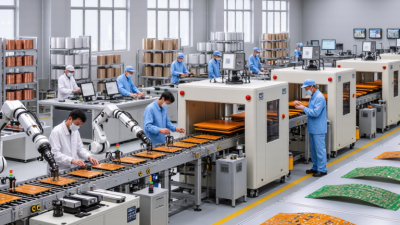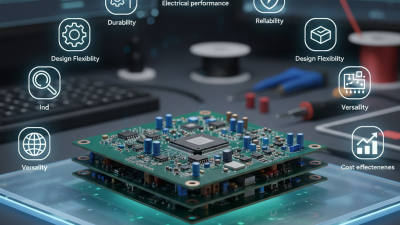
China has become a major production base for flexible printed circuit solutions. Its manufacturers serve consumer electronics, medical devices, automotive systems, and industrial controls. However, “top” should not mean the largest factory or the lowest quotation. It should mean dependable engineering, stable materials, traceable processes, and responsive communication.
John Fjelstad, a recognized flexible-electronics engineer, has said, “The future of electronics is flexible.” His observation reflects a visible shift in product design. A smartphone hinge may bend thousands of times. A medical sensor may need a circuit thinner than a coin. These details expose weaknesses that a sales brochure cannot reveal.
This guide examines leading Chinese flexible printed circuit manufacturers through practical criteria. These include design support, layer capability, bend testing, surface finishes, clean production, inspection equipment, and export experience. Certifications matter. So does evidence from real projects.
Factory visits can reveal more than polished websites.
A reliable supplier should explain copper selection, adhesive systems, coverlay construction, and impedance control in clear language. It should also provide samples, inspection records, and realistic delivery schedules. Some companies present impressive machinery but offer limited engineering support. Others communicate well yet struggle with complex tolerances. That difference is easy to miss.
The evaluation is not perfect. Supplier information changes, and customer requirements vary widely. A manufacturer suitable for a wearable device may not fit an automotive application. Readers should verify certifications, audit production capacity, and test samples independently before making a purchasing decision. This balanced approach can reduce costly redesigns and help buyers choose a flexible printed circuit partner with measurable capability.
What Are Flexible Printed Circuits and Where Are They Used?
Flexible printed circuits are thin electrical assemblies built on bendable polymer films, usually polyimide. Copper traces replace bulky wire bundles. Adhesive layers, coverlays, stiffeners, and plated holes protect the circuit during assembly. That definition is useful, but incomplete. A flexible circuit is not simply a thin rigid board. Its bend radius, copper type, layer count, and repeated-motion requirements must match the product.
Industry data shows why demand is growing. A 2024 Precedence Research report estimated the global flexible electronics market at about USD 30 billion in 2023. It projects strong expansion through 2032, driven by compact electronics, medical devices, and vehicle systems. Separately, IPC standards such as IPC-2223 and IPC-6013 outline design and qualification practices for flexible and rigid-flex circuits. These standards help engineers control bending, insulation, dimensional stability, and reliability.
Applications are highly visible. In smartphones, flexible circuits connect displays, cameras, batteries, and side buttons inside limited spaces. In vehicles, they support lighting modules, instrument panels, sensors, and steering-wheel controls. Medical equipment uses them in compact monitoring devices and wearable patches. Industrial equipment may place them around hinges or moving arms.
China has a large supply base for these applications, supported by dense material, tooling, plating, and assembly networks. However, low price should not decide selection alone. A circuit can pass initial inspection and still fail after repeated bending. Testing needs real movement, heat, moisture, and assembly pressure. One overlooked detail can matter. Flexibility is a system property, not a marketing label.
| Category | Typical Details | Common Examples | Key Design or Sourcing Considerations |
|---|---|---|---|
| What an FPC is | A flexible printed circuit (FPC) is an electrical circuit patterned on a flexible insulating substrate. It can connect components in compact spaces and may bend during installation or use. | Flexible interconnects, circuit tails, and flex sections in rigid-flex assemblies. | Confirm whether the design is static-flex or intended for repeated dynamic bending; these require different layout and reliability considerations. |
| Common materials | Polyimide is widely used as a flexible dielectric; copper forms the conductive traces. Coverlay or other protective layers are commonly used to insulate and protect the circuit. | Polyimide-based flex circuits with copper traces and a protective coverlay. | Material selection depends on bend requirements, temperature, electrical needs, assembly process, and the product environment. |
| Consumer electronics | FPCs route signals and power between closely spaced or moving parts while reducing the need for bulky wire harnesses. | Displays, cameras, touch panels, and compact portable devices. | Check connector type, assembly alignment, bend location, and the space available for the circuit and stiffeners. |
| Automotive electronics | Flexible circuits can connect components where packaging space, weight, or routing around other parts is important. | Lighting assemblies, sensors, displays, and dashboard electronics. | Evaluate temperature range, vibration exposure, application-specific qualification needs, and traceability requirements. |
| Medical devices | FPCs support compact electronic assemblies and shaped interconnects in devices where space and routing flexibility matter. | Diagnostic equipment, monitoring devices, and handheld medical instruments. | Specify applicable regulatory, cleanliness, documentation, and biocompatibility requirements where relevant to the finished product. |
| Industrial and robotics | FPCs can route circuits through narrow spaces or between parts that move, provided the flex design matches the motion and operating conditions. | Control panels, robotic assemblies, instrumentation, and moving mechanisms. | For repeated motion, review bend radius, flexing profile, strain relief, and expected cycle life with the manufacturer. |
| Manufacturer capability: engineering | A capable supplier should review fabrication data and identify manufacturability risks before production. | Design-for-manufacturing feedback, stack-up review, and prototype support. | Ask how design changes are documented and how bend, tolerance, and material requirements are confirmed. |
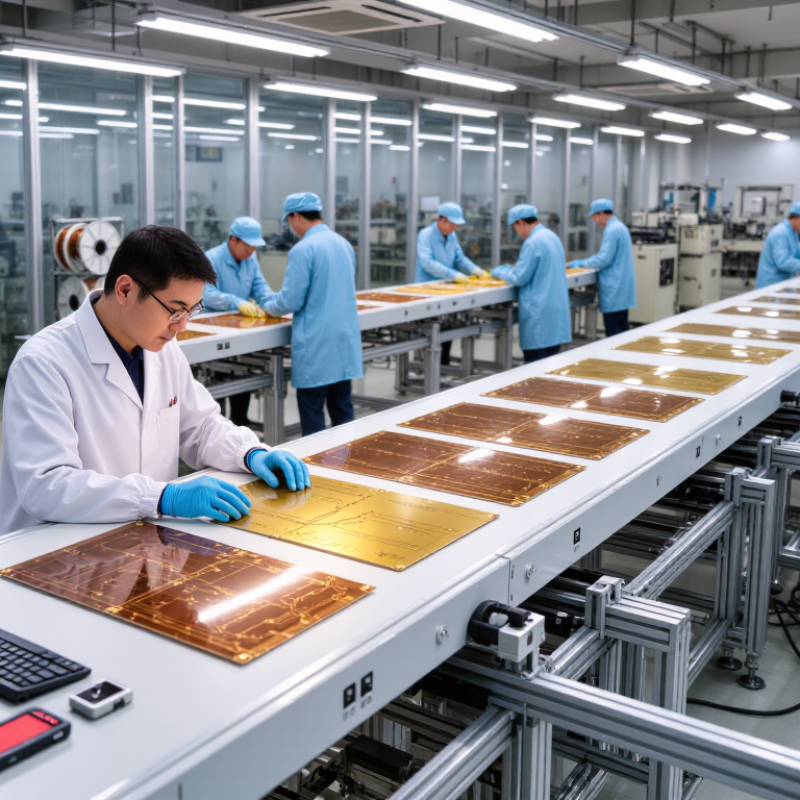
| Manufacturer capability: production and quality | Production processes may include imaging, etching, lamination, drilling, surface finishing, and electrical testing; the exact process depends on the design. | Prototype runs, repeat production, inspection records, and electrical test reports. | Compare process capability, inspection methods, change control, delivery terms, and certifications relevant to your application. Verify current certificates directly. |
The information above describes common FPC uses and supplier evaluation criteria, not a ranked list of manufacturers. Actual materials, capabilities, and requirements vary by design and supplier.